Dr. Safiuddin Nadwi

Category: Orthopedic

May 7, 2026 by admin 0 Comments

Knee Pain Causes and Treatment Options: What You Should Know

Knee pain is something millions of people deal with every single day, yet most wait far too long to do anything about it. If you are searching for knee pain causes, knee pain treatment, or knee pain relief, this guide is written for you. Whether the pain started after a sports injury, crept in gradually with age, or flares up specifically with knee pain when walking or climbing stairs, understanding what is happening inside your joint is the first step toward fixing it.

In Mumbai, where daily life involves crowded trains, long commutes, standing for hours at work, and buildings with no lifts, the knees absorb constant stress. Studies show that over 28% of Indians experience knee pain at some point, making it one of the most common reasons people visit an orthopedic doctor in Mumbai. The good news is that with the right diagnosis and care, the majority of knee pain cases can be treated without surgery. This blog explains the causes, symptoms, non-surgical knee pain treatment options, knee pain exercises at home, and when knee replacement surgery becomes the right choice, so you can make informed decisions and get back to living without limitations.

Understanding the Knee Joint

Before getting into causes and treatments, it helps to understand what exactly makes up the knee.

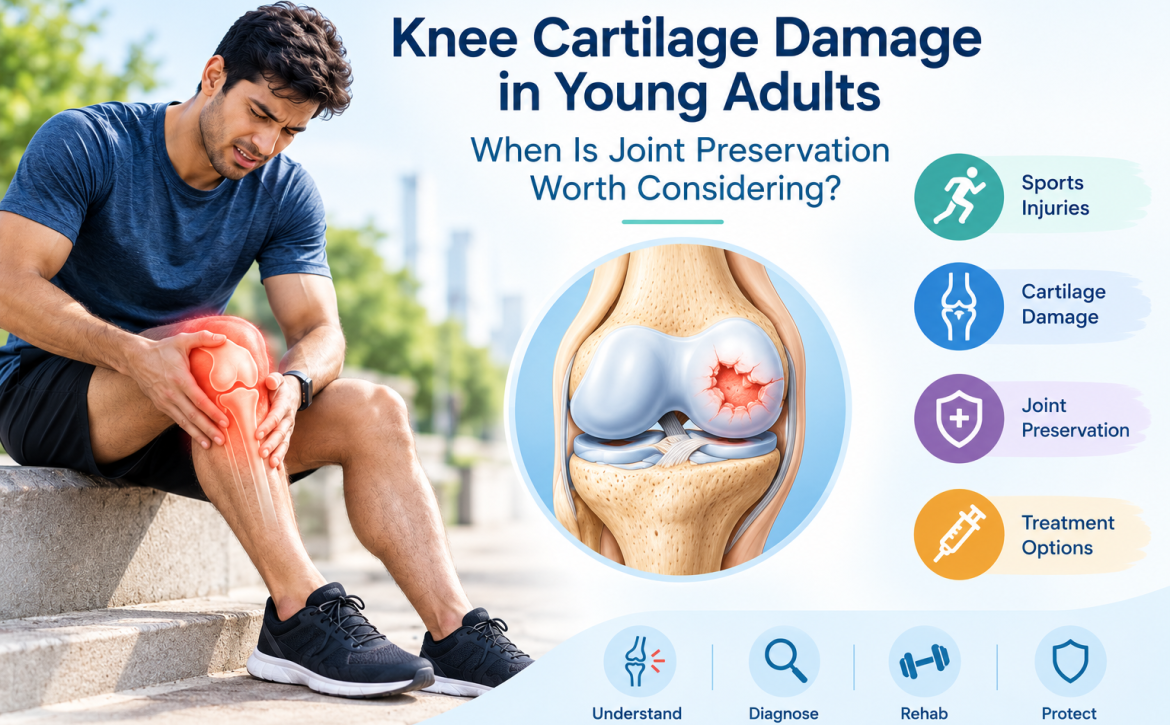
The knee is the largest joint in the human body. It connects three bones: the femur (thighbone) above, the tibia (shinbone) below, and the patella (kneecap) at the front. Each bone end is covered in cartilage, a smooth, firm tissue that cushions impact and allows bones to glide against each other without friction. Between the femur and tibia sit two C-shaped pieces of cartilage called the menisci, which act as shock absorbers.

Four major ligaments hold the joint together: the ACL and PCL, which control forward and backward stability, and the MCL and LCL, which provide side-to-side stability. Tendons attach the surrounding muscles to the bones and drive movement. Small fluid-filled sacs called bursae reduce friction at key pressure points around the joint.

When any one of these structures is damaged, inflamed, or worn down, you feel it as knee pain.

Common Knee Pain Causes

Knee pain causes vary widely by age, activity level, and overall health. Some develop suddenly after an injury. Others build slowly over months or years. Here are the most common ones.

1. Osteoarthritis

Osteoarthritis is the single most common cause of knee pain worldwide, affecting over 365 million people globally. It happens when the cartilage that cushions the knee gradually wears away. As cartilage thins, bones begin making contact with each other during movement, causing pain, stiffness, and swelling.

In India, osteoarthritis is a leading cause of disability, particularly in adults over 45. The risk is higher in women than in men, and obesity roughly doubles the likelihood of developing it. Every extra kilogram of body weight places three to four kilograms of additional force on the knee joint with each step.

The most common complaint is knee pain when walking or climbing stairs, especially in the morning or after long periods of sitting. The joint may feel stiff, click, or grind with movement.

2. Rheumatoid Arthritis

Rheumatoid arthritis is an autoimmune disease in which the immune system attacks the lining of the joint, known as the synovium. This causes persistent inflammation that eventually damages cartilage and bone. Unlike osteoarthritis, rheumatoid arthritis is not caused by wear and tear. It typically affects both knees symmetrically and comes with systemic symptoms like fatigue, low-grade fever, and morning stiffness lasting over an hour.

Joint pain treatment for rheumatoid arthritis involves disease-modifying medications alongside local therapies, which is why an accurate diagnosis matters before starting any treatment plan.

3. ACL and Ligament Injuries

The anterior cruciate ligament (ACL) is the most commonly torn ligament in the knee. ACL injuries typically happen during sports that involve sudden stops, jumping, or changes in direction, like football, badminton, or basketball. The injury usually comes with a loud pop, immediate swelling, and a sharp loss of stability.

PCL, MCL, and LCL injuries are less common but follow similar patterns of pain, swelling, and instability. Ligament injuries require proper imaging and a proper orthopedic evaluation. Some heal with physiotherapy. Others require surgical reconstruction.

4. Meniscal Tears

The meniscus tears when the knee is twisted or rotated under load, often during sports. In older adults, even a minor awkward movement can tear a meniscus that has weakened with age. Symptoms include pain on one side of the knee, swelling, a locking or catching sensation during movement, and difficulty fully bending or straightening the leg.

Meniscal tears are one of the most common reasons patients search for the best treatment for knee pain without surgery, because many partial tears, especially in older patients, respond well to physiotherapy and activity modification.

5. Patellar Tendinitis (Jumper’s Knee)

The patellar tendon connects the kneecap to the shinbone and plays a key role in activities like running, jumping, and climbing stairs. Repeated stress on this tendon causes small tears and inflammation, leading to pain directly below the kneecap. It is especially common in runners, cyclists, and people who stand or walk on hard floors for hours each day.

6. Bursitis

Bursitis is inflammation of the bursae, the small fluid-filled sacs that reduce friction around the knee. It commonly affects the bursa in front of the kneecap (prepatellar bursitis) or just below it. Repeated pressure, kneeling for long periods, or a direct blow to the knee are typical triggers. The knee looks swollen and feels tender and warm to touch.

7. IT Band Syndrome

The iliotibial (IT) band runs along the outer thigh from the hip to the knee. When it becomes tight and inflamed from overuse, it causes sharp pain on the outer side of the knee, particularly during running or going down stairs. This condition is common among long-distance runners, cyclists, and people who spend long hours walking on uneven surfaces.

8. Gout

Gout is caused by a buildup of uric acid crystals in the joint. While the big toe is the most typical site, the knee is also frequently affected. A gout attack in the knee causes sudden, severe pain, redness, and swelling that can come on overnight. Dietary habits (high meat and alcohol intake), dehydration, and kidney function all play a role. Blood tests can confirm elevated uric acid levels.

9. Patellofemoral Pain Syndrome (Runner’s Knee)

This condition causes pain around or behind the kneecap due to abnormal tracking of the patella during movement. It is common in younger adults and active people. The pain typically worsens with activities like squatting, kneeling, climbing stairs, or sitting for long periods with bent knees. It is often connected to muscle imbalances in the hip and thigh rather than structural joint damage.

10. Overuse and Lifestyle Factors

Not all knee pain comes from injury or disease. In Mumbai specifically, lifestyle factors contribute significantly. Long hours sitting at a desk with poor posture, daily commuting on crowded buses and trains with no seating, standing on hard floors in retail or industrial work environments, walking on uneven footpaths, and being overweight all put cumulative stress on the knee joint. This kind of chronic low-level strain adds up and can eventually cause persistent pain even without a single identifiable injury.

Warning Symptoms You Should Not Ignore

Most people delay seeing an orthopedic doctor in Mumbai far longer than they should. Here are the signs that tell you not to wait:

  • Knee pain that has lasted more than two to three weeks with no improvement
  • Visible swelling around the joint that developed suddenly
  • Redness and warmth around the knee, especially with fever
  • A popping or cracking sensation at the time of injury
  • Knee pain when walking or climbing stairs that is getting progressively worse
  • A feeling that the knee is unstable or about to give way
  • Inability to fully bend or straighten the leg
  • Pain that wakes you up from sleep
  • Knee that feels locked or cannot move through its full range

Early diagnosis almost always leads to better outcomes and a shorter recovery. Waiting months before getting assessed usually means the damage has worsened and treatment becomes more involved.

How Knee Pain Is Diagnosed

A good knee specialist in Mumbai will build a complete picture before recommending any treatment. The process typically includes:

Physical Examination: The doctor assesses range of motion, checks for swelling, tests ligament stability, and identifies where exactly the pain is located. A skilled examiner can often identify the likely cause before imaging is even done.

X-rays: Show the bones clearly. Useful for detecting joint space narrowing (indicating cartilage loss in osteoarthritis), bone spurs, fractures, and alignment problems.

MRI Scans: The best tool for visualizing soft tissues. An MRI shows the cartilage, menisci, ligaments, tendons, and any fluid or inflammation inside the joint. Most ligament tears and meniscal injuries are confirmed on MRI.

Ultrasound: Useful for assessing tendons, bursae, and joint fluid in real time, particularly during movement.

Blood Tests: Help diagnose rheumatoid arthritis (through inflammatory markers like CRP and ESR), gout (uric acid levels), and joint infections.

Joint Fluid Analysis (Arthrocentesis): In some cases, fluid is withdrawn from the knee and analysed to check for infection, crystals (gout), or blood.

The same symptom can have many different causes. Knee pain when walking, for example, could be osteoarthritis, a meniscal tear, IT band syndrome, or patellofemoral pain, all requiring different treatment. Skipping proper diagnosis and jumping straight to treatment is one of the most common mistakes patients make.

Knee Pain Treatment Options: Non-Surgical First

Here is what patients most want to know: how to reduce knee pain naturally and what the best treatment for knee pain without surgery actually looks like. The answer is that most cases of knee pain, including moderate osteoarthritis, respond well to a structured non-surgical approach.

1. Rest and Activity Modification

The first step for most acute knee pain is reducing the activities that aggravate it. This does not mean complete bed rest. Movement is generally good for joints. It means avoiding high-impact activities like running, jumping, and heavy squatting while the joint is inflamed, and replacing them with low-impact alternatives like swimming or cycling. Rest allows inflammation to settle so other treatments can work more effectively.

2. RICE Protocol

For sudden injuries or acute flare-ups, the RICE method provides immediate relief:

Rest the joint and stop the aggravating activity. Ice the knee for 15 to 20 minutes, three to four times daily, wrapped in a cloth to protect the skin. Compression using an elastic bandage reduces swelling. Elevation of the leg above heart level when lying down reduces fluid buildup.

This is a first-response measure, not a treatment in itself. If pain persists beyond a few days, professional evaluation is needed.

3. Physiotherapy

Physiotherapy is the backbone of non-surgical knee pain treatment for almost every condition. A qualified physiotherapist will create a personalised program that targets the specific muscles supporting your knee, corrects movement patterns that are contributing to pain, and progressively restores strength and range of motion.

Research consistently shows that structured physiotherapy is as effective as surgery for many types of knee problems, including meniscal tears in middle-aged and older patients, and early to moderate osteoarthritis.

The key word is structured. Generic exercises from a quick internet search are not the same as a personalised program built around your diagnosis, fitness level, and daily demands.

4. Knee Pain Exercises at Home

These knee pain exercises at home are among the most commonly prescribed. Always confirm with your doctor or physiotherapist that they are appropriate for your specific condition before starting.

Straight Leg Raises Lie flat on your back. Bend one knee with the foot flat on the floor. Keep the opposite leg straight and lift it to the height of the bent knee. Hold for five seconds and slowly lower. This strengthens the quadriceps without putting any load through the knee joint.

Wall Squats (Partial) Stand with your back flat against a wall, feet shoulder-width apart and about 60 centimetres from the wall. Slowly slide down until your knees are at a comfortable angle (no lower than 90 degrees). Hold for 10 seconds, then slide back up. Builds quadriceps and hip strength safely.

Hamstring Curls Stand holding the back of a chair for balance. Slowly bend one knee, lifting the heel toward the buttocks. Hold for five seconds and lower slowly. Strengthens the hamstrings, which are critical stabilisers of the knee joint.

Heel Slides Lie on your back with legs straight. Slowly slide one heel toward your buttocks by bending the knee, then straighten it back out. This improves the range of motion in the joint without loading it.

Calf Raises Stand holding a chair or wall for balance. Slowly rise onto the toes of both feet, hold for two seconds, and lower back down. Strengthens the calf muscles and reduces impact stress transferred to the knee.

Hip Abduction (Side Leg Raises) Lie on your side with legs stacked. Slowly lift the top leg to about 45 degrees, hold for three seconds, and lower. Strengthening the hip abductors takes pressure off the inner knee, which is particularly helpful for osteoarthritis patients.

Seated Knee Extensions Sit upright in a firm chair. Slowly extend one leg until it is straight, hold for five seconds, then lower. Repeat 10 times on each side. This is one of the safest exercises for quadriceps strengthening.

Do these exercises three to four times a week. Progress slowly and stop if you feel sharp pain during any movement. Mild aching after exercise is normal. Sharp pain during is not.

5. Weight Management

For patients who are overweight, losing weight is one of the most effective things they can do for their knee pain. Each kilogram of weight loss reduces the force on the knee by three to four kilograms during walking. Even a 5% reduction in body weight has been shown to reduce knee pain and improve function in osteoarthritis patients. This is simple mechanics, and it makes every other treatment work better.

6. Medications

Several medication options can help manage knee pain:

NSAIDs (Non-Steroidal Anti-Inflammatory Drugs) like ibuprofen or diclofenac reduce both pain and inflammation. They work well for short-term relief of flare-ups.

Topical NSAIDs in gel or cream form are applied directly to the knee. They are as effective as oral tablets for many patients and carry a lower risk of stomach side effects.

Paracetamol provides mild to moderate pain relief and is generally safer for long-term use than NSAIDs, though it has no anti-inflammatory effect.

Disease-modifying drugs are used specifically for rheumatoid arthritis and are prescribed by a rheumatologist.

Supplements like glucosamine, chondroitin, and curcumin have some evidence supporting their use in early osteoarthritis, though the research is mixed. They are most useful as an addition to other treatments, not as standalone solutions.

Medications manage symptoms. They do not reverse cartilage damage or address the underlying structural problem. Long-term reliance on painkillers without addressing the cause is not sound orthopedic treatment.

7. Knee Braces and Supports

Braces can provide external stability and pain relief without any medication or procedure:

Compression sleeves reduce swelling and provide proprioceptive feedback, which helps with balance and mild pain.

Hinged braces offer structural support and are commonly used after ligament injuries.

Offloading braces redistribute weight away from the damaged compartment of the knee and are effective for compartmental osteoarthritis.

Patellar tracking braces guide the kneecap during movement and are used for patellofemoral pain syndrome.

A knee specialist in Mumbai can advise on the most appropriate type for your condition.

8. Corticosteroid Injections

When inflammation is significant and physiotherapy alone is not providing adequate relief, corticosteroid (steroid) injections directly into the knee joint can reduce swelling and pain quickly. The effect can last several weeks to a few months. These are particularly effective for arthritis flare-ups, bursitis, and inflammatory conditions. They are generally not used repeatedly over the long term, as frequent injections can accelerate cartilage breakdown.

9. Hyaluronic Acid Injections (Viscosupplementation)

The knee joint naturally contains synovial fluid, which lubricates movement. In osteoarthritis, the quality and quantity of this fluid decreases. Hyaluronic acid injections replace this lubrication, reducing friction and pain. Results vary between patients, but many experience significant relief lasting six months to a year. This is a well-established non-surgical joint pain treatment option for moderate osteoarthritis.

10. PRP (Platelet-Rich Plasma) Therapy

PRP therapy involves drawing a small amount of the patient’s own blood, concentrating the platelets, and injecting them into the damaged knee joint. Platelets contain growth factors that promote tissue repair and reduce inflammation. The advantage is that it uses the body’s own biology, with minimal risk of adverse reaction.

PRP is increasingly used at advanced orthopedic treatment centres in Mumbai for patients with early to moderate osteoarthritis, meniscal degeneration, and tendon injuries. Multiple sessions are sometimes required, and results tend to build over several weeks.

11. Hot and Cold Therapy at Home

Beyond formal treatments, temperature therapy helps manage day-to-day pain as part of how to reduce knee pain naturally:

Cold therapy (ice packs): Best for acute pain, fresh injuries, and post-activity swelling. Apply for 15 to 20 minutes at a time.

Heat therapy (warm compress or hot water bottle): Better for chronic stiffness, muscle tension around the joint, and pain that is worse in the morning. Heat relaxes muscles and improves blood flow to the area.

Alternate the two for chronic conditions with intermittent flare-ups.

12. Dietary Changes and Natural Approaches

Certain foods and habits support joint health and are worth incorporating as part of how to reduce knee pain naturally:

Anti-inflammatory foods: Omega-3 fatty acids from fish like salmon, sardines, and mackerel reduce systemic inflammation. Turmeric (curcumin) has documented anti-inflammatory properties and is commonly used in Indian cooking already. Ginger, leafy greens, and berries all support lower inflammation levels.

Foods to reduce: Excess refined sugar, processed foods, and alcohol can promote inflammation and should be limited, especially in gout patients.

Hydration: Cartilage is largely water. Staying well-hydrated supports joint health and helps maintain the quality of synovial fluid.

Calcium and Vitamin D: Essential for bone health. Dairy products, fortified foods, and adequate sunlight exposure all contribute. Deficiencies are common in urban India and can worsen bone and joint conditions.

These approaches complement professional treatment but should not replace it for moderate to severe conditions.

Advanced and Surgical Treatment Options

When non-surgical treatment has been given a proper trial and the knee is still significantly limiting daily life, surgical options become appropriate.

Knee Arthroscopy

Arthroscopy is a minimally invasive surgical procedure. The surgeon makes two or three small incisions around the knee and inserts a tiny camera and instruments to work inside the joint. It is used to repair or trim torn meniscus tissue, remove loose cartilage fragments, clean out inflamed tissue (debridement), and repair minor cartilage defects.

Recovery is faster than open surgery. Most patients are walking within a day or two and return to normal activities within four to six weeks, depending on what was repaired. Arthroscopy is not a treatment for advanced osteoarthritis, but it is effective for specific structural problems like meniscal tears and loose bodies.

Osteotomy

An osteotomy involves cutting and reshaping the bone above or below the knee to shift body weight away from the damaged portion of the joint. It is typically used in younger, active patients with damage confined to one side of the knee who want to delay or avoid a full knee replacement. Recovery takes longer than arthroscopy, but the procedure can significantly extend the life of the natural joint.

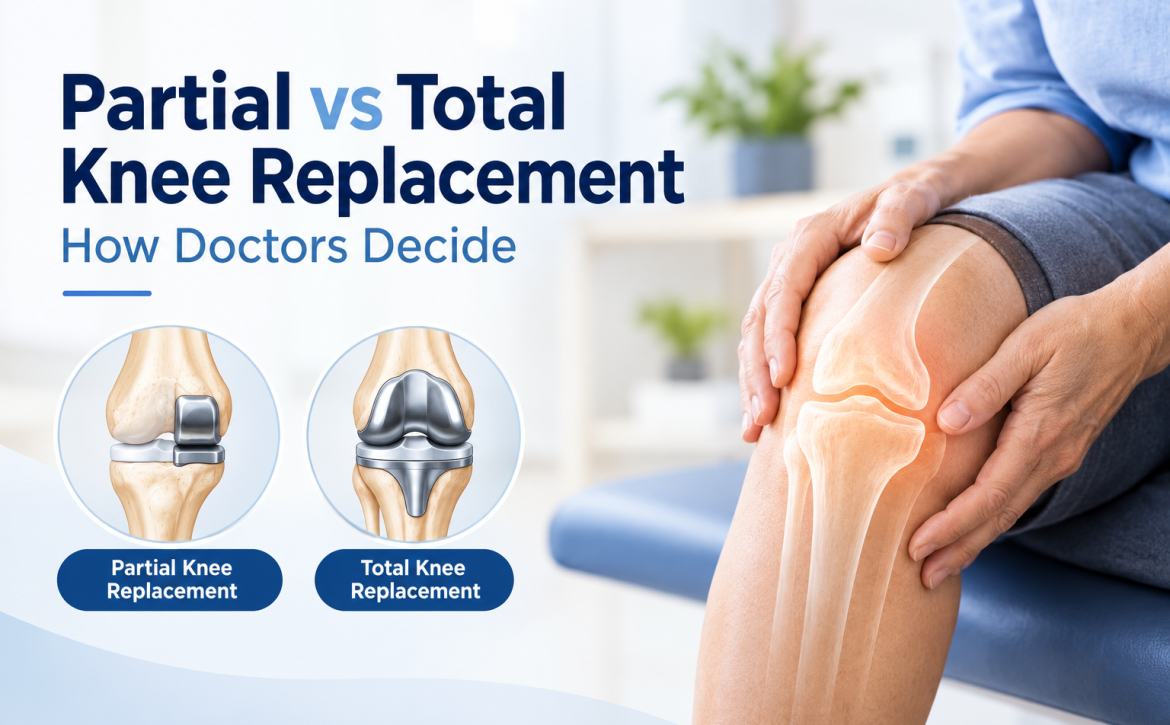
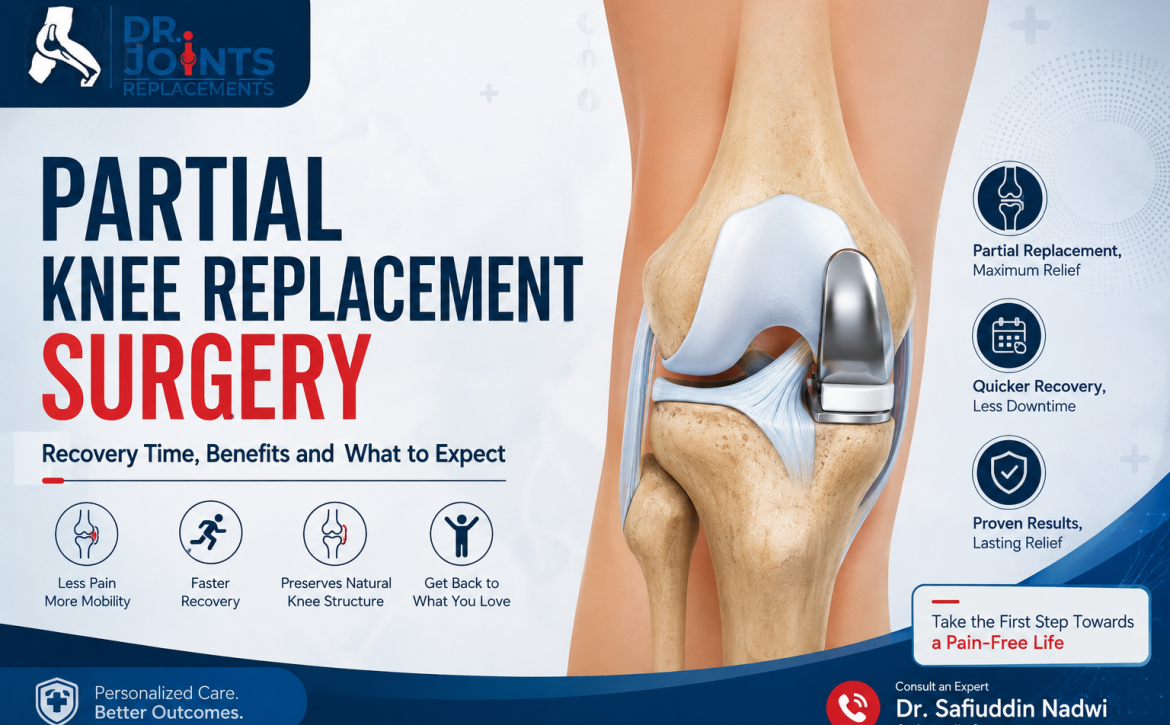
Partial Knee Replacement

When only one compartment of the knee (inner, outer, or kneecap) is significantly damaged, a partial knee replacement replaces just that section while preserving the healthy tissue. It involves less bone removal than total replacement, has a faster recovery time, and often feels more natural to patients because the remaining ligaments are preserved.

Total Knee Replacement Surgery

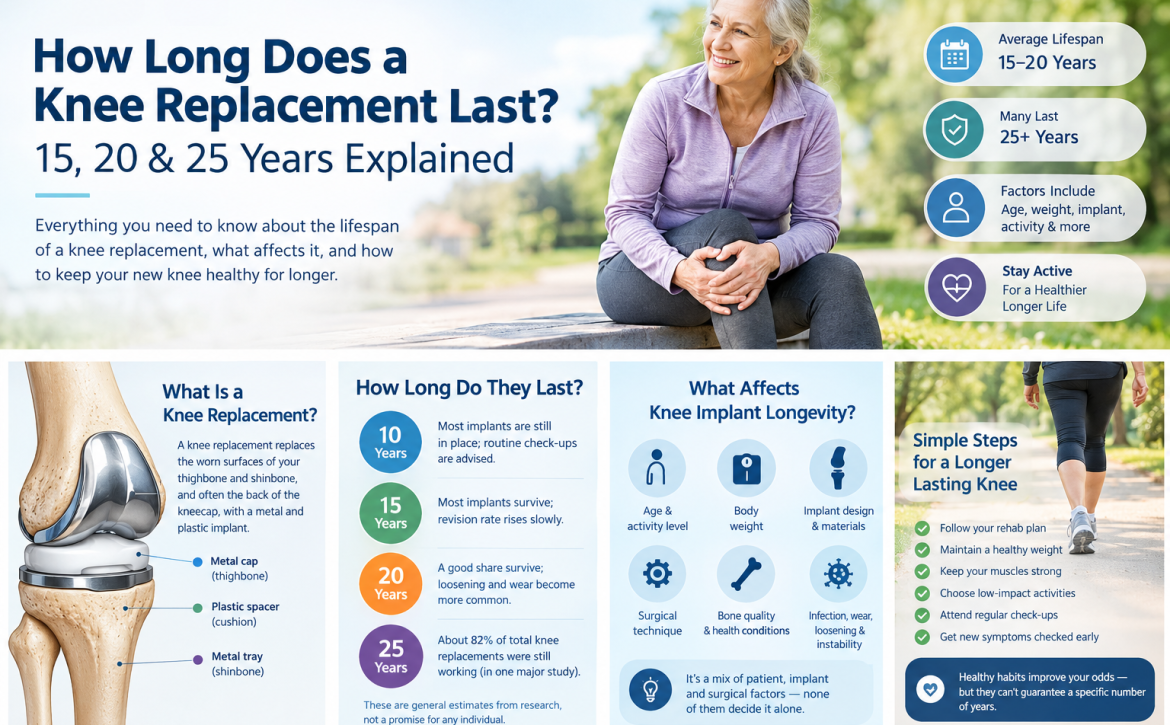
Total knee replacement surgery is the definitive treatment for severe osteoarthritis when all other options have failed or are no longer sufficient. The damaged surfaces of the femur, tibia, and patella are removed and replaced with metal and plastic components that recreate the smooth, pain-free movement of a healthy joint.

Modern total knee replacement has a very high success rate. Over 90% of patients report significant pain relief and improved mobility. Most are walking on the day of surgery, and return to normal daily activities within six to twelve weeks with physiotherapy support. The implants typically last 15 to 20 years.

Knee replacement surgery in Mumbai is available at several well-equipped hospitals. At Dr Joints, our surgeons use advanced implant systems and post-operative rehabilitation protocols designed to get patients moving confidently as quickly as possible.

It is worth noting that many patients referred for knee replacement do not actually need it at the time of referral. A proper assessment by an experienced orthopedic doctor in Mumbai may reveal that other treatments can still provide meaningful relief. Surgery is the right call when it is needed, not before.

Robotic-Assisted Knee Replacement

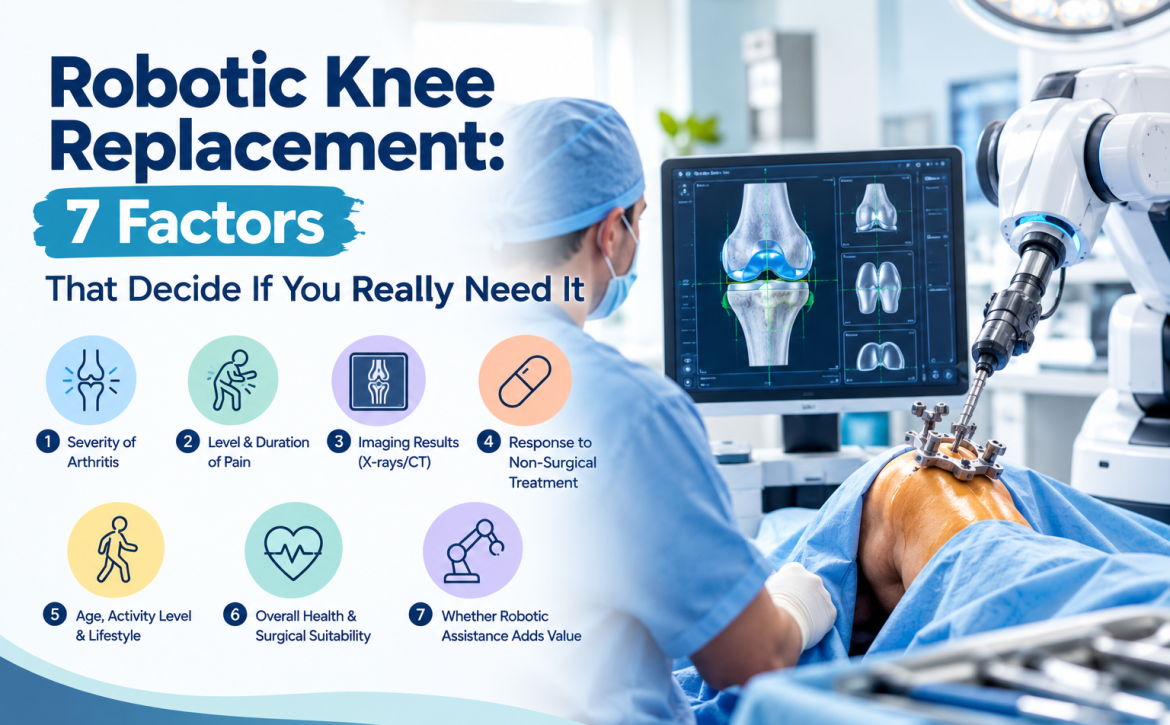
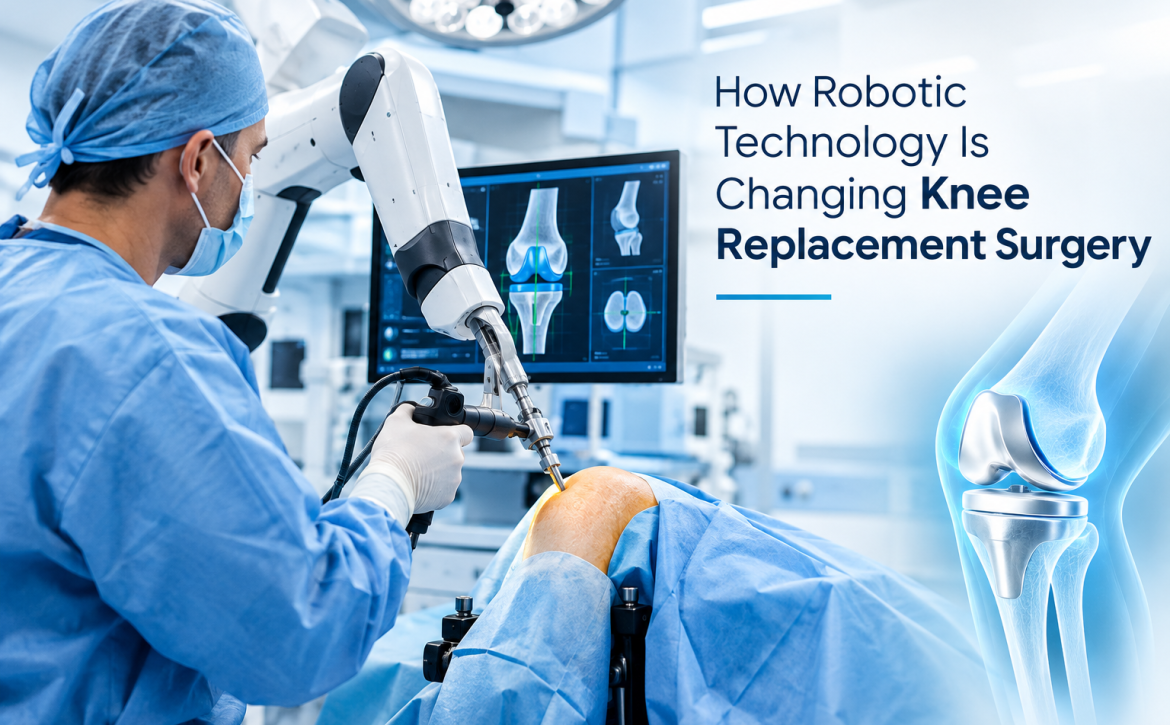
Robotic-assisted surgery is an advancement on traditional knee replacement. The surgeon uses a robotic arm guided by pre-operative CT scan data to achieve more precise bone preparation and implant positioning. This precision can improve alignment, reduce wear on the implant over time, and improve functional outcomes. It is available at select centres in Mumbai and is particularly valuable for complex cases or patients who want the most advanced approach available.

When to See a Doctor for Knee Pain

Knowing when to see a doctor for knee pain is genuinely important. Many people either ignore pain until it is severe or, on the other end, worry excessively about minor aches that settle on their own.

See a doctor soon (within a week) if:

  • The pain followed an injury, especially with a popping sound or immediate swelling
  • You cannot put full weight on the leg
  • The joint looks visibly deformed
  • Swelling is significant and came on rapidly

See a doctor within two to three weeks if:

  • Pain has not improved with rest, ice, and basic care
  • Knee pain when walking or climbing stairs is getting worse rather than better
  • You are starting to change how you move to protect the knee

See a doctor without delay if:

  • The knee is red, hot, and you have a fever (possible infection)
  • Pain is severe and sudden with no clear reason
  • You have a history of cancer and develop new joint pain

There is no benefit to waiting when symptoms are persistent or worsening. Early intervention keeps options open and generally leads to faster recovery.

Living With Knee Pain: Long-Term Management Tips

For patients with chronic conditions like osteoarthritis, ongoing management matters as much as the initial treatment. Here are practical habits that make a real difference:

Stay active with low-impact exercise. Swimming, cycling, and walking on flat surfaces keep the joint mobile and maintain muscle strength without excessive impact. Staying sedentary worsens stiffness and muscle weakness.

Wear appropriate footwear. Shoes with adequate cushioning and arch support reduce the shock transmitted to the knee with each step. Avoid worn-out shoes, flat slippers, or heels for daily walking.

Adjust your environment. Use a chair that allows you to sit with knees at 90 degrees. Avoid sitting for more than an hour at a stretch without standing and moving briefly. Use a raised toilet seat or grab bars if getting up and down is painful.

Manage your weight consistently. This is the single most modifiable risk factor for osteoarthritis progression. Even modest weight loss sustained over time makes a measurable difference.

Follow up with your orthopedic doctor. Knee conditions change over time. Regular follow-up allows your doctor to adjust the treatment plan, catch any progression early, and make sure you are using the most appropriate interventions for where your condition currently stands.

Knee Pain Treatment in Mumbai: Choosing the Right Specialist

Mumbai has no shortage of orthopedic clinics and hospitals, which makes choosing the right one genuinely confusing. Here is what to look for when seeking knee pain treatment in Mumbai:

Proper diagnosis before treatment. Any good knee specialist in Mumbai will insist on understanding the exact cause of your pain before recommending a treatment path. Be cautious of anyone who recommends surgery on the first visit without a thorough assessment.

Non-surgical options explored first. For most knee conditions, the right approach starts with physiotherapy, activity modification, and possibly injections. A clinician who recommends surgery immediately without trying conservative treatment first should raise questions.

Access to advanced imaging. X-ray and MRI facilities are essential for accurate diagnosis.

Surgical experience when needed. For patients who do need surgery, the surgeon’s experience with knee arthroscopy, partial replacement, and total knee replacement surgery matters enormously for outcomes.

Post-surgical rehabilitation. Surgery is only half the process. A clinic that does not have a structured physiotherapy and rehabilitation program for post-operative patients is cutting the process short.

At Dr Joints, we offer all of the above. From first consultation and imaging to non-surgical management, advanced injections, arthroscopic surgery, and knee replacement with post-operative rehabilitation, our team covers the full spectrum of orthopedic treatment for knee conditions. We are among the recognised options for patients seeking the best orthopedic hospital in Mumbai for joint care.

Whether you are a young athlete with a ligament injury, a working professional dealing with chronic pain, or an older adult with advancing arthritis, our specialists will take the time to understand your situation and build a treatment plan around your life.

Frequently Asked Questions

What are the most common knee pain causes in adults over 40?


Osteoarthritis is the most common, followed by meniscal degeneration, bursitis, and ligament problems. In India specifically, sedentary desk work combined with low levels of structured exercise means many adults develop muscle weakness around the knee that accelerates wear on the joint.

What is the best treatment for knee pain without surgery?


Physiotherapy is consistently the most effective non-surgical treatment across most causes of knee pain. Combined with weight management, appropriate medication, and injections when needed, most patients achieve good relief without surgery. The key is an accurate diagnosis first, so the right treatment is applied to the right problem.

How to reduce knee pain naturally at home?


Regular gentle exercise (like those listed above), maintaining a healthy weight, anti-inflammatory foods, adequate hydration, hot and cold therapy for symptom management, and wearing supportive footwear all contribute. Natural approaches work best as part of a wider treatment plan, not as a substitute for professional assessment when symptoms are persistent.

What are the best knee pain exercises at home?


Straight leg raises, wall squats, heel slides, hamstring curls, calf raises, hip abductions, and seated knee extensions are all safe and effective starting points for most patients. Always confirm with your physiotherapist that the exercises are appropriate for your specific condition.

When to see a doctor for knee pain?


If pain lasts more than two to three weeks, follows an injury, includes significant swelling or instability, or is interfering with daily activities, it is time to get assessed. Do not wait for the pain to become unbearable. Earlier assessment means more treatment options and better outcomes.

Is knee replacement surgery the only option for severe arthritis?


Not necessarily. Hyaluronic acid injections, PRP therapy, and structured physiotherapy can provide meaningful relief even in moderate to moderately severe arthritis. However, when bone-on-bone damage is extensive and quality of life is significantly affected despite these treatments, knee replacement surgery is the most effective solution available and has an excellent track record.

Can knee pain from osteoarthritis be reversed?


Cartilage damage from osteoarthritis cannot be reversed through any currently available treatment. However, progression can be slowed significantly with weight management, exercise, and appropriate orthopedic treatment. Symptoms can be managed effectively enough that most patients live well for many years without needing surgery.

What makes Dr Joints different from other orthopedic clinics in Mumbai?


Dr Joints offers a complete continuum of care under one roof, from diagnosis and conservative management to advanced injections and surgical treatment. Our approach prioritises the least invasive effective option for each patient. We do not recommend surgery unless non-surgical options have genuinely been exhausted or the condition clearly requires it from the outset.

Conclusion

Knee pain is common, but it is not something you simply have to accept as part of getting older or staying active. Whether your pain comes from an acute injury, years of wear and tear, an inflammatory condition, or the cumulative strain of daily life in a busy city like Mumbai, there are real and effective ways to treat it.

Most cases of knee pain can be managed without surgery, especially when caught early. Knee pain treatment works best when it starts with an accurate diagnosis, followed by a structured plan that may include physiotherapy, knee pain exercises at home, weight management, injections, and other proven approaches.

If the condition has progressed to the point where surgery is the right choice, modern knee replacement surgery delivers excellent results for the right patients, with most returning to full activity within a few months.

The worst thing you can do is wait and hope the pain goes away on its own when it has already been around for weeks or months. Early care means more options, faster recovery, and better long-term outcomes.

If you are looking for a trusted knee specialist in Mumbai, an experienced orthopedic doctor in Mumbai, or simply want to understand your knee pain and what to do about it, the team at Dr Joints is here to help. Contact us today and take the first step toward moving without pain.

February 16, 2026 by admin 0 Comments

Knee Replacement Surgery: Procedure, Cost, Recovery & Success Rate

Knee pain can significantly affect your daily life, mobility, and overall quality of life. For many individuals, persistent knee pain caused by arthritis, injury, or wear-and-tear can make simple activities like walking, climbing stairs, or even sitting for long periods challenging. Knee replacement surgery offers a long-term solution for those whose knees have deteriorated beyond conservative treatments.

In this blog, we will explore the knee replacement procedure, types, costs, recovery process, success rates, risks, and how to choose the best knee replacement surgeons near you.

Understanding the Knee Joint & Why Replacement Is Needed

The knee joint is one of the largest and most complex joints in the body. It consists of:

  • Bones: Femur (thigh bone), tibia (shin bone), and patella (kneecap).
  • Cartilage: Smooth tissue covering the ends of bones, allowing pain-free movement.
  • Ligaments: Provide stability and connect bones together.
  • Meniscus: Shock-absorbing cartilage that cushions the joint.

Arthritis, particularly osteoarthritis and rheumatoid arthritis, gradually damages the cartilage, causing bone-on-bone friction, pain, swelling, and stiffness.

Early-stage knee problems may be managed with medications, injections, physiotherapy, or lifestyle modifications. However, advanced joint damage often requires knee replacement surgery to restore mobility and reduce pain.

What Is Knee Replacement Surgery?

Knee replacement surgery, also called knee arthroplasty, involves removing the damaged portions of the knee and replacing them with artificial implants made of metal, plastic, or ceramic materials.

Unlike joint preservation treatments such as cartilage repair or partial procedures, knee replacement provides long-lasting relief for severely damaged joints. The new artificial joint restores alignment, improves mobility, and significantly reduces pain.

Conditions That Require Knee Replacement Surgery

Knee replacement is usually recommended for the following conditions:

  1. Osteoarthritis: The most common reason for knee replacement. It occurs due to wear-and-tear over time.
  2. Rheumatoid Arthritis: Autoimmune inflammation causes joint damage and deformity.
  3. Post-Traumatic Arthritis: Arthritis developing after a serious knee injury.
  4. Failed Previous Knee Surgeries: Previous surgeries may not restore full function, leading to replacement.

Symptoms That Indicate You May Need Knee Replacement

You may be a candidate for knee replacement if you experience:

  • Persistent knee pain, even at rest or during sleep.
  • Severe stiffness and knee deformity.
  • Difficulty walking long distances or climbing stairs.
  • Reduced ability to perform daily activities, affecting your quality of life.

Types of Knee Replacement Surgery

1. Total Knee Replacement (TKR)

The most common and widely recommended procedure. In total knee replacement, the entire damaged knee joint is replaced with an artificial implant.
Best suited for: Severe osteoarthritis or extensive joint damage.

2. Partial Knee Replacement

Also called unicompartmental knee replacement, only the damaged portion of the knee is replaced.
Advantages: Less invasive, quicker recovery, preserves healthy bone and tissue.
Limitations: Not suitable if arthritis affects multiple compartments of the knee.

3. Full Knee Replacement

Similar to total knee replacement but may refer to cases where more durable or high-performance implants are used. Ensures full coverage of the knee surface for long-term functionality.

4. Revision Knee Replacement Surgery

Performed when a previous knee replacement fails due to implant loosening, infection, or mechanical issues. Revision surgery is more complex and requires an experienced surgeon.

Knee Replacement Surgery Procedure – Step by Step

Pre-Surgery Preparation

Before surgery, patients undergo:

  • Diagnostic tests: X-rays, MRI, and blood tests to assess joint damage.
  • Fitness clearance: Evaluation of heart, lung, and general health to ensure safe anesthesia.
  • Surgical planning: Surgeons select the right implant type and size.

During the Surgery

  • Anesthesia: Either general anesthesia (patient asleep) or spinal anesthesia (numb from waist down).
  • Damaged bone and cartilage removal: Precise removal ensures a perfect fit for the implant.
  • Implant positioning: Metal and plastic components are carefully aligned for natural knee movement.

After the Surgery

  • Pain control: Medications and regional blocks help manage post-operative pain.
  • Early mobilization: Patients are encouraged to walk with support soon after surgery to prevent stiffness.
  • Physiotherapy: Begins within 24–48 hours to restore motion and strength.

Advanced Techniques in Knee Replacement Surgery

Modern knee replacement procedures use advanced techniques for precision and faster recovery:

  • Minimally invasive knee replacement: Smaller incisions reduce tissue damage and improve healing.
  • Computer-assisted surgery (CAS): Guides accurate implant placement for better alignment.
  • Robotic knee replacement: High precision, personalized joint replacement, and improved outcomes.

Benefits: Reduced pain, quicker recovery, improved joint function, and higher long-term success rates.

Knee Replacement Surgery Cost in India

The cost of knee replacement surgery in India varies based on several factors, including the type of implant, type of surgery, and hospital category. Here’s a clear breakdown:

Factors Affecting Cost:

  • Type of Implant: Standard vs. premium implants. Premium implants last longer and provide better performance.
  • Type of Surgery: Total knee replacement, partial knee replacement, or revision knee replacement.
  • Hospital Category: Multi-specialty private hospitals, corporate hospitals, or government hospitals.

Average Cost Range in India:

  • ₹1,50,000 – ₹4,00,000 per knee
  • This usually includes: surgeon fees, hospital charges, implants, anesthesia, and post-operative care.

⚠️ Important Note: Cheaper options may compromise implant quality or surgical expertise, affecting long-term results. Always prioritize safety, quality implants, and experienced surgeons.

Contact Dr. Safiuddin Nadwi for Expert Knee Replacement Surgery

If you are considering knee replacement surgery, consult an experienced orthopedic surgeon to get a personalized treatment plan and safe surgery.

Dr. Safiuddin Nadwi specializes in:

  • Total & Partial Knee Replacement
  • Minimally Invasive & Robotic-Assisted Knee Surgery
  • Faster Recovery & Patient-Centered Care

Reach out today to schedule a consultation and learn about the most suitable knee replacement options for you

Recovery After Knee Replacement Surgery

Immediate Recovery (First Week)

  • Pain management with medications and ice therapy.
  • Walking with a walker or crutches.
  • Early physiotherapy to prevent stiffness and blood clots.

Short-Term Recovery (1–3 Months)

  • Gradual improvement in knee movement.
  • Reduced pain and swelling.
  • Increased independence in daily activities.

Long-Term Recovery (3–6 Months & Beyond)

  • Most patients return to normal daily activities.
  • High-impact sports should be avoided; low-impact exercises like walking, swimming, and cycling are recommended.
  • Lifestyle adjustments and regular physiotherapy ensure long-term joint health.

Physiotherapy & Exercises After Knee Replacement

Rehabilitation is critical for successful recovery:

  • Supervised therapy vs. home exercises: Both are effective, but regular guidance ensures correct movement patterns.
  • Mistakes to avoid: Avoid overstraining, sitting cross-legged, or lifting heavy weights too early.
  • Goal: Restore strength, flexibility, and confidence in the knee joint.

Success Rate of Knee Replacement Surgery

Knee replacement surgery has a high success rate:

  • Pain relief: 90–95% of patients report significant reduction in knee pain.
  • Implant lifespan: Modern implants last 15–20 years on average.
  • Factors affecting success: Surgeon experience, patient compliance with rehabilitation, and quality of physiotherapy.

Risks & Complications of Knee Replacement Surgery

Although knee replacement surgery is safe, complications can occur:

  • Infection: Rare but serious; requires prompt treatment.
  • Blood clots: Prevented with medications and early mobilization.
  • Implant loosening or wear: May require revision surgery.

Expert surgeons minimize risks through strict sterilization, precise implant placement, and careful post-operative care.

Life After Knee Replacement Surgery

Post-surgery, patients can enjoy improved mobility and quality of life:

  • Walking, sitting, and climbing stairs are generally possible.
  • High-impact sports and heavy labor are discouraged.
  • Return to work and travel is possible within a few months, depending on job type.

Choosing the Best Knee Replacement Surgeons

Selecting the best knee replacement surgeons near you is crucial for successful outcomes:

  • Look for experienced orthopedic surgeons with specialized training in joint replacement.
  • Ask about the surgeon’s success rates, complication rates, and post-operative care protocols.
  • Ensure proper follow-up and physiotherapy guidance.

Expert Knee Replacement Care by Dr. Safiuddin Nadwi

Dr. Safiuddin Nadwi is a leading orthopedic surgeon specializing in knee replacement surgery.

  • Extensive experience in total and partial knee replacement.
  • Focuses on minimally invasive and robotic-assisted procedures.
  • Prioritizes safe surgery, faster recovery, and patient satisfaction.

Patients under Dr. Nadwi’s care receive personalized treatment plans for optimal outcomes.

Conclusion

Knee replacement surgery offers a life-changing solution for patients with severe arthritis or joint damage. It relieves pain, restores mobility, and improves the quality of life. Early consultation with an experienced orthopedic surgeon ensures the best results.

If you are struggling with persistent knee pain or stiffness, don’t wait—seek expert care from the best knee replacement surgeons near you and take the first step toward pain-free movement.

February 12, 2026 by admin 0 Comments

10 Signs That You Need To See An Orthopedic Doctor

Comprehensive guide for joint, bone, and muscle health in Mumbai

Bone, joint, and muscle problems are becoming increasingly common across all age groups. Modern lifestyles contribute significantly to these issues. Factors such as a sedentary lifestyle, long working hours, poor posture, sports injuries, and aging can lead to joint pain, back problems, and muscle weakness.

Many people delay visiting an orthopedic doctor because they are unsure when it is necessary. Some rely on home remedies, painkillers, or physiotherapy before consulting a specialist. Unfortunately, this delay can result in chronic pain, reduced mobility, permanent joint damage, or the need for more complex treatments later.

This blog explains ten important warning signs that indicate the need to consult an orthopedic specialist in Mumbai. We’ll also discuss common conditions, what happens during a consultation, preventive tips, and the detailed benefits of early orthopedic treatment.

Sign #1: Persistent Joint Pain That Does Not Improve

Joint pain lasting more than one or two weeks is a common reason to see an orthopedic doctor. The knees, hips, shoulders, elbows, and ankles are most frequently affected. Pain may increase with movement, weight-bearing activities, or even interfere with sleep and daily routines.

Causes of persistent joint pain include:

  • Osteoarthritis – cartilage wears down over time, leading to pain and stiffness.
  • Rheumatoid arthritis – an autoimmune condition causing joint inflammation.
  • Ligament or tendon injuries – such as ACL tears, rotator cuff injury, or tendonitis.
  • Bursitis – inflammation of fluid-filled sacs that cushion the joints.
  • Post-traumatic joint problems – resulting from previous injuries.

Tip: Early consultation with a joint doctor or bone specialist can prevent permanent damage and improve joint function. Non-surgical treatments like physiotherapy or joint injections are often more effective when started early.

Sign #2: Difficulty Walking, Standing, or Performing Daily Activities

If you experience difficulty with routine movements like walking, standing, climbing stairs, or getting out of a chair, it may indicate a serious orthopedic problem. Symptoms such as limping, imbalance, or leg weakness are also warning signs.

Common causes include:

  • Knee arthritis – reduced cartilage leads to pain while walking or climbing stairs.
  • Hip disorders – osteoarthritis or labral tears can affect mobility.
  • Spine-related nerve compression – herniated discs or spondylosis can weaken leg muscles.

Tip: If you notice a loss of strength in your legs or joints, it’s a clear indication that you should visit an orthopedic specialist.

Sign #3: Swelling, Stiffness, or Inflammation in Joints

Persistent swelling, tenderness, warmth, or redness in joints is a warning sign. Morning stiffness lasting more than 30–60 minutes can indicate rheumatoid arthritis, gout, bursitis, or tendon inflammation.

Additional signs to watch for:

  • Swelling that worsens after activity
  • Limited range of motion in affected joints
  • Pain that eases slightly with rest but returns

Tip: Early joint pain treatment helps prevent joint deformity, maintain flexibility, and allow normal daily activity.

Sign #4: Chronic Back or Neck Pain

Back and neck pain are among the most common musculoskeletal complaints. While occasional soreness may be due to poor posture or muscle strain, chronic pain lasting several weeks is a red flag.

Symptoms that require attention:

  • Pain radiating to arms or legs
  • Tingling, numbness, or burning sensations
  • Muscle weakness or reduced grip strength

Common causes:

  • Slipped or herniated discs
  • Cervical or lumbar spondylosis
  • Sciatica – nerve compression causing pain down the legs
  • Posture-related spine problems

Early evaluation by a back pain specialist or orthopedic surgeon can prevent complications such as permanent nerve damage or reduced mobility.

Sign #5: Pain or Injury After a Fall, Accident, or Trauma

Pain, swelling, or deformity after falls, road accidents, or sports injuries requires urgent attention. Injuries may include:

  • Fractures (broken bones)
  • Ligament or tendon tears
  • Joint dislocations

Tip: Immediate assessment at an orthopedic hospital is essential. Early treatment ensures proper healing, prevents deformities, and reduces long-term disability.

Sign #6: Sports Injury That Is Not Healing Properly

Active individuals or athletes are prone to sports-related injuries such as:

  • ACL tears
  • Meniscus injuries
  • Tennis elbow or golfer’s elbow
  • Rotator cuff injuries
  • Muscle strains or sprains

Warning signs:

  • Persistent pain despite rest, medication, or physiotherapy
  • Recurring injuries in the same joint
  • Joint instability during physical activity

Consulting a sports injury doctor or orthopedic specialist ensures proper diagnosis, treatment, and rehabilitation to prevent chronic problems.

Sign #7: Limited Range of Motion in Joints

Difficulty bending, straightening, or rotating a joint can indicate structural problems. Common issues include:

  • Cartilage damage
  • Frozen shoulder (adhesive capsulitis)
  • Joint degeneration

Other signs include joint locking, clicking, or catching, making daily activities like dressing, cooking, or lifting objects difficult. Timely orthopedic evaluation can prevent permanent stiffness and restore function.

Sign #8: Visible Bone Deformity or Abnormal Shape

Changes in bone alignment or joint structure, such as bent fingers, crooked knees, uneven shoulders, or unequal leg length, are a serious warning sign.

Possible causes:

  • Improper fracture healing
  • Advanced arthritis
  • Bone disorders or diseases

Early assessment by a bone specialist can prevent worsening deformities and improve long-term function.

Sign #9: Joint Pain With Fever, Redness, or Warmth

Joint pain accompanied by fever may indicate joint infection (septic arthritis) or severe inflammatory arthritis. Symptoms include:

  • Swelling
  • Redness
  • Warmth around the joint
  • Severe pain with restricted movement

Urgent orthopedic consultation is necessary to prevent permanent joint damage and control infection.

Sign #10: Pain Not Relieved by Medication or Physiotherapy

Persistent pain that affects sleep, work, or daily life despite medication or physiotherapy indicates a deeper problem. Advanced diagnostics like X-rays, MRI, CT scans, or blood tests may be required to determine the cause.

A specialized orthopedic doctor can provide a personalized treatment plan tailored to your condition.

Risk Factors for Orthopedic Problems

Certain factors increase the likelihood of developing bone, joint, and muscle issues:

  • Age: Older adults are more prone to arthritis, osteoporosis, and degenerative joint conditions.
  • Sedentary lifestyle: Lack of exercise weakens muscles and increases joint stiffness.
  • Obesity: Excess weight puts pressure on joints, especially knees and hips.
  • Sports activities: High-impact sports can cause ligament and tendon injuries.
  • Occupational hazards: Jobs requiring repetitive movements or prolonged sitting can lead to musculoskeletal problems.
  • Poor posture: Leads to spine issues and chronic back pain.

Conditions Commonly Treated by an Orthopedic Doctor

Orthopedic specialists in Mumbai manage a wide variety of conditions:

  • Arthritis and degenerative joint diseases
  • Fractures and trauma-related injuries
  • Spine disorders such as slipped discs and spondylosis
  • Sports injuries including ACL, meniscus, and shoulder injuries
  • Ligament and tendon injuries
  • Joint replacement surgery (hip, knee, shoulder)
  • Osteoporosis and bone health disorders
  • Carpal tunnel syndrome and nerve compression

Preventive Tips to Avoid Orthopedic Problems

  1. Exercise regularly: Low-impact exercises like walking, swimming, and yoga strengthen muscles and joints.
  2. Maintain a healthy weight: Reduces pressure on knees, hips, and spine.
  3. Practice good posture: Helps prevent back and neck pain.
  4. Warm-up before sports: Prevents ligament and tendon injuries.
  5. Use ergonomic furniture: Reduces strain on spine and joints.
  6. Eat a balanced diet: Foods rich in calcium, vitamin D, and protein support bone and muscle health.

What Happens During an Orthopedic Consultation

1. Medical history evaluation:
The doctor asks about pain duration, severity, triggers, past injuries, and lifestyle habits.

2. Physical examination:
Checks joint range of motion, posture, gait, swelling, deformities, and muscle strength.

3. Diagnostic tests:
May include X-rays, MRI, CT scans, ultrasound, or blood tests.

4. Personalized treatment plan:
Treatment options may include medications, physiotherapy, injections, lifestyle modifications, or surgery.

Benefits of Early Orthopedic Treatment 

Seeking early orthopedic care can make a significant difference in recovery, long-term joint health, and overall quality of life.

1. Faster Pain Relief and Recovery

Early intervention allows orthopedic doctors to identify the root cause of pain and start appropriate treatment quickly. For example:

  • Early-stage arthritis patients may experience immediate relief from anti-inflammatory medications or joint injections.
  • Sports injuries like ligament sprains or tendon strains heal faster with physiotherapy or braces.

By addressing problems early, patients avoid prolonged pain, reduce reliance on painkillers, and return to daily activities sooner.

2. Prevention of Long-Term Joint Damage

Delayed treatment can allow joint degeneration, cartilage wear, or ligament injury to worsen. Early care helps preserve joint structure and function:

  • Anti-inflammatory treatments or injections prevent arthritis progression.
  • Early surgery or minimally invasive procedures can correct deformities before permanent damage occurs.
  • Rehabilitation ensures joints maintain flexibility and strength, reducing future complications.

3. Reduced Chances of Surgery

Many orthopedic conditions can be managed non-surgically if detected early:

  • Physiotherapy, lifestyle changes, and medications can treat mild arthritis, minor fractures, or tendonitis.
  • Minimally invasive procedures like arthroscopy address joint issues before they worsen.

Early care reduces the need for complex surgeries, which are more costly, involve longer recovery, and carry higher risks.

4. Improved Mobility and Independence

Pain, stiffness, or joint instability can restrict your ability to perform daily tasks. Early orthopedic treatment helps restore strength, range of motion, and balance:

  • Patients regain the ability to walk, climb stairs, lift objects, and perform work or household activities comfortably.
  • Reduced pain and better joint function help prevent falls and injuries, especially in older adults.

5. Better Overall Quality of Life

When pain is managed and joints are healthy, patients experience improvements in:

  • Sleep quality – chronic pain often disrupts rest; early treatment reduces nighttime discomfort.
  • Mental health – living without constant pain reduces stress and anxiety.
  • Physical activity – patients can participate in hobbies, sports, and social activities.
  • Work productivity – early treatment prevents long-term disability that may affect employment.

Conclusion

Persistent joint pain, swelling, limited mobility, sports injuries, or deformities are clear signs that you should see an orthopedic doctor in Mumbai. Early consultation ensures accurate diagnosis, effective treatment, and long-term joint, bone, and muscle health.

Remember: Early action leads to faster recovery, preserved mobility, and better quality of life. Don’t wait for pain to worsen — prioritize your orthopedic health today.