
Hip Replacement Surgery in Tardeo, Mumbai
Walk, climb stairs and sleep without hip pain. Dr. Safiuddin Nadwi guides you from your first consultation to full recovery.
Hip pain has a way of shrinking your life. First you skip the evening walk. Then the stairs start to feel like a mountain, and getting out of a car or tying your shoes becomes a task you plan for. If this sounds familiar, hip replacement surgery in Mumbai may give you that freedom back.
Dr. Safiuddin Nadwi is a robotic joint replacement and hip replacement surgeon in Mumbai with 13 years of experience and more than 1,000 successful surgeries. He offers hip replacement in Tardeo at Apollo Spectra Hospital, and also consults at Saifee Hospital and Ozone Health Care in Mumbai Central.
Here you will find honest answers about the signs you need a hip replacement, how the operation works, hip replacement recovery time, hip replacement cost in Mumbai and the risks, so you can decide without pressure.
Hip Replacement at a Glance
Surgery Time, Hospital Stay and Recovery Time
1-2 Hours
Surgrey Time
1-3 Days
Hospital Stay
Next Day
First Step
3-6 Months
Full Recovery
15-20 Years+
Implant Life
>95%
Pain Relief
What Is Total Hip Replacement?
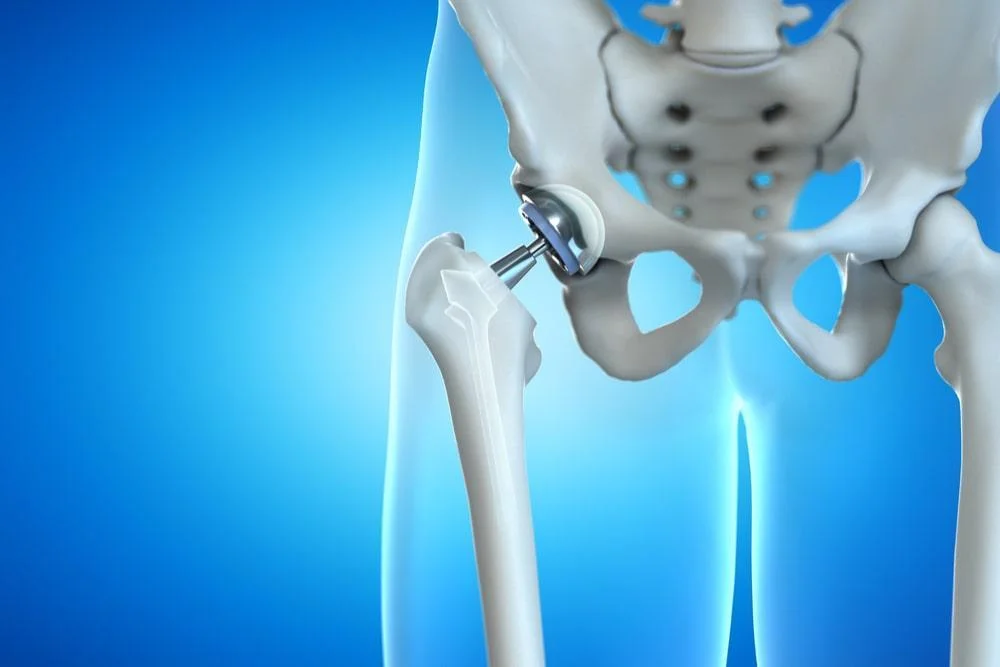
Your hip is a ball and socket joint. When the cartilage wears away, the bone ends rub against each other, and that is what hurts. Total hip replacement, also called total hip arthroplasty, is an operation that removes the damaged ball and socket and fits smooth new parts made of metal, ceramic or strong plastic.
It is one of the most established operations in orthopaedics. It works best when the joint is badly worn but your general health is good enough for surgery. The aim is simple: less pain, a stable hip and a return to the things you enjoy.
Signs You Need a Hip Replacement: Hip Pain When Walking and More
Hip pain alone does not mean surgery. But if several of these sound like you, it is time for an assessment:
- Hip pain when walking, felt in the groin, thigh or buttock, that returns every few steps
- Pain that wakes you at night or stops you finding a comfortable position
- Stiffness that makes socks, shoes, squatting or getting into a car difficult
- Trouble climbing stairs or standing up from a chair
- A limp, or a need for a walking stick
- Walks that get shorter every month
A simple test: ask yourself what you have stopped doing because of your hip. If that list keeps growing, do not wait until the pain is unbearable. Early advice gives you more choices, and only an examination and an X-ray can confirm whether replacement is the right step.
Hip Replacement for Arthritis and Other Hip Conditions
Hip replacement for arthritis is the most common reason for surgery, but several other conditions can wear out the hip.
| Condition | What Happens in the Hip |
|---|---|
| Osteoarthritis | Cartilage wears away and bones rub together. |
| Rheumatoid Arthritis | Inflammation damages the joint lining and cartilage. |
| Avascular Necrosis (AVN) | Poor blood supply makes the ball of the hip collapse. |
| Hip Fracture | A broken neck of the thigh bone that cannot be repaired well. |
| Hip Dysplasia | A shallow socket from birth that wears the joint early. |
| Old Injury | Damage after a fracture or dislocation years ago. |
Avascular Necrosis of Hip Treatment
In very early AVN, the hip can sometimes be protected with medicines, protected weight bearing or procedures that try to save the joint. An MRI and a careful examination decide the stage. Once the ball of the hip has collapsed, waiting rarely helps, and hip replacement usually gives lasting relief.
Hip Replacement Without Surgery: What to Try First
Hip replacement without surgery is not possible once the joint is badly worn, but treatment can reduce pain and delay the operation:
- Pain relief and anti inflammatory medicines
- Weight loss, which reduces the load on the hip
- Physiotherapy to strengthen the muscles around the joint
- A walking stick in the opposite hand
- Joint injections in selected cases
These steps help many people for a while. They cannot rebuild a joint that has worn out. When pain keeps controlling your day, surgery is the option that gives lasting relief. We will never push you towards an operation you do not need.
What Happens at Your First Hip Consultation
Many patients arrive nervous, so here is exactly what to expect:
- Your story. Dr. Nadwi asks where it hurts, when it started, what makes it worse and what you can no longer do.
- Examination. He checks your movement, strength, walking and leg length.
- Imaging. An X-ray is usually enough. An MRI or CT scan may be advised for AVN or for robotic planning.
- Options. You hear your choices, including treatment without surgery, in plain language.
- Estimate. If surgery is suggested, you get a clear explanation of the plan and the likely cost.
Bring your old X-rays, reports and a list of your medicines.
Choosing Dr. Joints for primary hip replacement means opting for surgical excellence, innovative technology, and compassionate care. Contact us today to learn more about how Dr. Nadwi and his dedicated team can help you achieve improved mobility and a better quality of life.
FAQs on Primary Hip Replacement:
Candidates for primary hip replacement typically have advanced arthritis, significant hip damage, or other conditions affecting the hip joint that do not respond to conservative treatments.
Recovery time can vary depending on the individual, but most patients can expect to return to normal activities within a few weeks to a few months following the procedure.
Like any surgical procedure, there are risks involved, including infection, blood clots, and complications related to anesthesia. However, these risks are minimized when the procedure is performed by an experienced orthopedic surgeon like Dr. Joints.
Yes, physical therapy is an essential part of the recovery process and can help improve strength, flexibility, and range of motion in the hip.
With proper care and maintenance, the implants used in primary hip replacement can last for many years, providing long-lasting relief from hip pain and improved joint function.