
Dr. Safiuddin Nadwi

April 14, 2026 by admin 0 Comments

Knee Pain in Your 30s: Is It Early Arthritis or Just a Lifestyle Problem?

You are 34, you stood up from your desk and your knee clicked loud enough to embarrass you on a Zoom call. Or you ran 5 km last Sunday and spent the next three days avoiding stairs. Either way, something is off and you want a straight answer.

Here is the truth. Knee pain in young adults is more common than most people expect, and it is one of the top reasons people in their 30s walk into a clinic looking for an orthopedic doctor for knee pain. Most cases are completely manageable without surgery. What matters most is catching it early and understanding what is actually happening.

Why Knee Pain in Your 30s Is Happening More Often

The knee absorbs 3 to 5 times your body weight with every step and up to 8 times when you run or climb stairs. Mumbai life stacks the pressure fast: long desk hours, minimal movement, weekend sports with no warm-up, and gradual weight gain. These are the real drivers behind the rise in knee pain causes in young age that orthopedic specialists see daily.

Add Vitamin D deficiency (extremely common in urban India despite the sunshine), chronic stress, and poor sleep, and you have a combination that wears joints down quietly for years before the pain becomes loud enough to act on.

Early Arthritis Symptoms in the Knee: Know the Signs

Early arthritis symptoms in the knee are no longer just for your parents’ generation. Early onset osteoarthritis in a 32-year-old is a real clinical finding, and the earlier it is caught the better the outcome. Cartilage has no blood supply of its own. Once it breaks down, it does not heal the way skin does. That is why timing matters.

Watch for these signs:

  • Dull aching pain after sitting or standing for long periods
  • Morning stiffness that takes 15 to 30 minutes to ease
  • Swelling or warmth around the kneecap after activity
  • Grinding or clicking sensation when bending or straightening
  • Pain that gets noticeably worse going downstairs or downhill
  • Reduced range of motion compared to your other knee

Early OA caught in the 30s rarely requires surgery within the next decade when managed correctly. The window you are in right now is actually your biggest advantage.

Knee Pain Causes in Young Age: When Lifestyle Is the Real Culprit

More often than not, knee pain in 30s is not arthritis at all. Here are the most common lifestyle causes seen in clinical practice:

Runner’s Knee (Patellofemoral Pain Syndrome)

Runner’s Knee, or patellofemoral pain syndrome, happens when the kneecap tracks incorrectly in its groove because of weak hip muscles, tight hamstrings, or poor running form. Pain sits under or around the kneecap and worsens with stairs, squats, and long periods of sitting. It affects both weekend runners and people who have never run a step in their lives but sit badly for 9 hours a day.

Sedentary Lifestyle Knee Pain

Sedentary lifestyle knee pain is the one that surprises people most. Prolonged sitting weakens the quads and glutes. When those muscles stop supporting the knee, the joint absorbs load it was never designed to take alone. Many software professionals and corporate employees in their 30s develop chronic anterior knee pain without a single sports injury ever happening.

Meniscus Irritation and IT Band Syndrome

Small degenerative changes in the meniscus (the C-shaped shock absorber inside your knee) can happen without a dramatic fall or twist. IT Band Syndrome, where a thick band of tissue on the outer thigh rubs against the knee, is common in runners and cyclists who suddenly increase their training load. Both conditions respond very well to conservative treatment when caught early and given a proper knee pain diagnosis.

Knee Pain Diagnosis: What a Proper Evaluation Looks Like

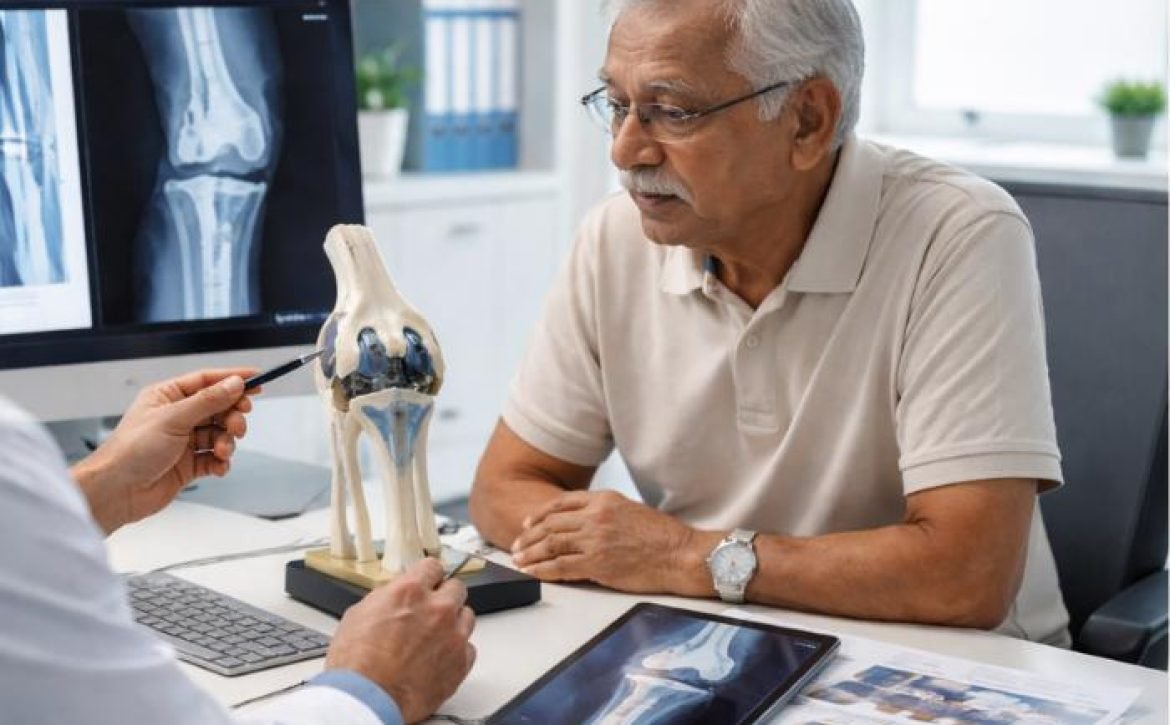
Good knee pain diagnosis starts with a thorough physical examination, not a scan. An experienced knee specialist near me observes your gait, palpates specific landmarks around the joint, and uses clinical tests to identify whether the problem lies in the cartilage, meniscus, ligaments, or tendons.

X-rays show bone but miss soft tissue completely. For accurate assessment of cartilage damage knee, meniscal changes, and early-stage OA, an MRI for knee pain is the standard. It gives a clear picture of what is actually happening inside the joint and allows treatment to be targeted rather than guessed at. Blood tests are added when inflammatory arthritis or gout is suspected.

When to See a Doctor for Knee Pain

Knowing when to see a doctor for knee pain can genuinely change your long-term outcome. Do not wait until you cannot function. See a specialist if:

  • Pain has not improved after 2 to 3 weeks of rest and activity changes
  • Swelling keeps returning after activity
  • The knee feels unstable or gives way when you walk
  • You have pain at rest or at night that wakes you up
  • A specific injury (fall, twist, collision) started the pain
  • You are avoiding things you enjoy because of the knee

Best Treatment for Knee Pain Without Surgery

The best treatment for knee pain without surgery is a combination of steps, not a single fix. Knee pain without surgery is genuinely achievable for most young adults when the approach is right.

Physiotherapy for Knee Pain

Physiotherapy for knee pain is the most effective non-surgical intervention available. A proper program corrects the biomechanical imbalances driving the problem, strengthens the muscles that support the joint, and restores normal movement patterns. Most patients see meaningful improvement within 8 to 12 weeks of consistent work.

Weight Management for Knee Health

Weight management for knee health is genuinely underestimated. Every kilogram lost removes 4 kilograms of force from the knee with each step. Losing even 5 to 10 percent of body weight produces measurable reductions in pain for people with early OA. The approach must protect muscle mass, so slow and protein-supported weight loss always beats crash dieting.

PRP Knee Treatment and Injections

PRP knee treatment Mumbai uses growth factors from your own blood to support cartilage repair and reduce joint inflammation. It is most effective in patients under 55 with early-stage changes and works best alongside physiotherapy, not instead of it. Hyaluronic acid and corticosteroid injections are also used selectively to reduce pain and create a better environment for rehabilitation to take hold.

Knee Swelling Treatment

For activity-related knee swelling treatment, the RICE method (Rest, Ice, Compression, Elevation) works well in the first 48 to 72 hours. Ice for 15 to 20 minutes after activity, a compression sleeve to reduce swelling, and elevation at rest are practical daily tools. Swelling that keeps returning after activity is always worth getting evaluated properly.

Knee Pain Relief Exercises to Start Today

These knee pain relief exercises are safe for most young adults with general knee discomfort. Check with your physiotherapist first if you have a specific diagnosis:

  • Straight-leg raises: Builds quad strength without compressing the joint. 3 sets of 15 reps.
  • Clamshells: Strengthens hip abductors that control kneecap alignment. 3 sets of 20 reps.
  • Wall sits: Quad endurance without impact. Hold 20 to 30 seconds, progress gradually.
  • Terminal knee extensions: Activates the VMO for better patellar tracking.
  • Step-downs: Most functional exercise for real-world knee stability.
  • Hamstring stretches: 30 seconds, twice daily. Tight hamstrings increase knee loading significantly.

Knee Preservation: The Smartest Strategy for Your 30s

Knee preservation is the philosophy that your natural knee, even an imperfect one, is almost always worth protecting over replacing. For a 35-year-old, a knee replacement that lasts 15 to 20 years means a revision surgery in your 50s or early 60s. That is a difficult operation with more limited outcomes. Avoiding it entirely through active preservation is not just possible, it is the goal of good orthopedic care today.

A complete knee preservation strategy combines physiotherapy, weight management, biological treatments like PRP, regular monitoring with imaging, and targeted procedures only when clearly indicated. It is active and ongoing, not passive waiting.

Knee Pain Treatment in Mumbai: What to Look For

When looking for knee pain treatment in Mumbai, find a center that starts with a thorough examination before ordering scans, offers in-house or affiliated physiotherapy for knee pain, has access to MRI and advanced imaging, and is familiar with PRP knee treatment Mumbai as a non-surgical option. A good knee specialist near me explains your diagnosis clearly and builds a plan around your lifestyle and goals, not just your scan report.

Dr. Safiuddin Nadwi – Orthopedic Specialist, Mumbai

Dr. Safiuddin Nadwi follows a non-surgical-first approach for knee pain in young adults, combining clinical evaluation, advanced imaging, physiotherapy coordination, and biological treatments including PRP to help patients in their 30s and 40s protect their joints and avoid unnecessary surgery.

Knee Replacement Surgery Guide: Why Young Patients Rarely Need It Yet

This knee replacement surgery guide section is here to give you honest perspective. Total knee replacement is for severe, bone-on-bone arthritis where all conservative options have genuinely failed. For a 30-something with early cartilage changes or lifestyle pain, that conversation is many years away at minimum, and with proper management, it may never arrive at all.

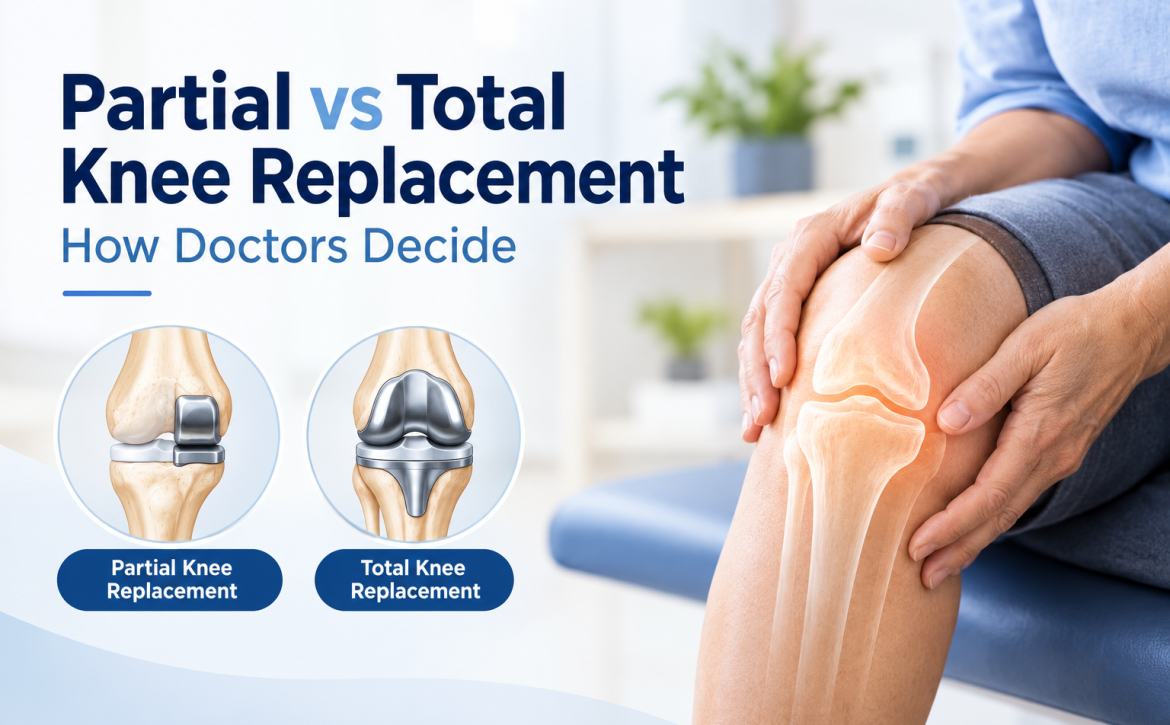
Between conservative care and full replacement, there are also intermediate options like partial knee replacement and high tibial osteotomy for select patients. The goal of every good orthopedic specialist is to keep your natural joint working for as long as possible.

Frequently Asked Questions

Can knee pain in your 30s fully go away?

For lifestyle-induced causes, yes, most cases resolve completely with the right treatment. For early OA, pain-free daily function is achievable and progression can be significantly slowed. Full resolution depends on the cause, the grade, and how consistently treatment is followed.

Does running cause knee arthritis?

Current evidence says no, not in a structurally healthy knee. The problem is running with poor form, wrong footwear, or an unaddressed structural issue. Sudden large increases in training volume without adequate recovery are a much more reliable cause of injury than running itself.

When should I consider PRP for my knee?

PRP knee treatment Mumbai is worth discussing if you have early to moderate cartilage damage that has not fully responded to physiotherapy alone. Dr. Safiuddin Nadwi reviews each patient’s MRI findings and symptom history before recommending PRP to ensure it is the right tool for that specific case.

What is the first thing I should do when knee pain starts?

Modify activities that aggravate the pain, apply ice after activity, and keep moving gently to avoid stiffness. If it does not improve within 2 to 3 weeks, consult an orthopedic doctor for knee pain. Early evaluation almost always leads to simpler and faster solutions than waiting months to act.

Knee pain in your 30s is a signal worth listening to, not ignoring. Whether it is early arthritis symptoms knee or a lifestyle problem, the window you are in right now gives you the most options and the best outcomes. Get the right knee pain diagnosis, work with a physiotherapist, take your weight seriously if it is a factor, and find a knee specialist near me who treats you like a person with decades ahead, not just a scan to act on.

Based in Mumbai and dealing with persistent knee pain? Dr. Safiuddin Nadwi offers thorough orthopedic evaluation with a non-surgical-first approach for patients in their 30s and 40s. Book a consultation today and take the first step toward pain-free, active living.

April 13, 2026 by admin 0 Comments

Why Robotic Knee Replacement Is the New Standard in Mumbai for 2026

A complete guide for chronic knee pain patients, orthopedic candidates, and medical tourists

Knee pain does not politely wait for a convenient time. It shows up on staircases, at weddings, during a morning walk, in the middle of the night. If you have been managing it with painkillers, physiotherapy, and sheer willpower, you already understand how exhausting that cycle becomes.

What many patients in Mumbai do not yet know is that the surgical option behind genuine, lasting relief has changed dramatically. Robotic knee replacement in Mumbai is not experimental anymore. In 2026, it is the approach that experienced orthopedic surgeons choose when they want results that hold up for decades, not just years.

This guide breaks down exactly what makes robotic knee surgery different, what the data says about outcomes, what it realistically costs in India, and how to choose the right surgeon for your situation.

What Is Robotic Knee Replacement and How Is It Different from Conventional Surgery

In a traditional knee replacement, the surgeon uses physical cutting guides, hand instruments, and clinical judgment to position the implant. The technique has worked reasonably well for decades, but it introduces variability. Even a two or three degree error in implant rotation can cause uneven wear, persistent stiffness, or a revision surgery ten years down the line.

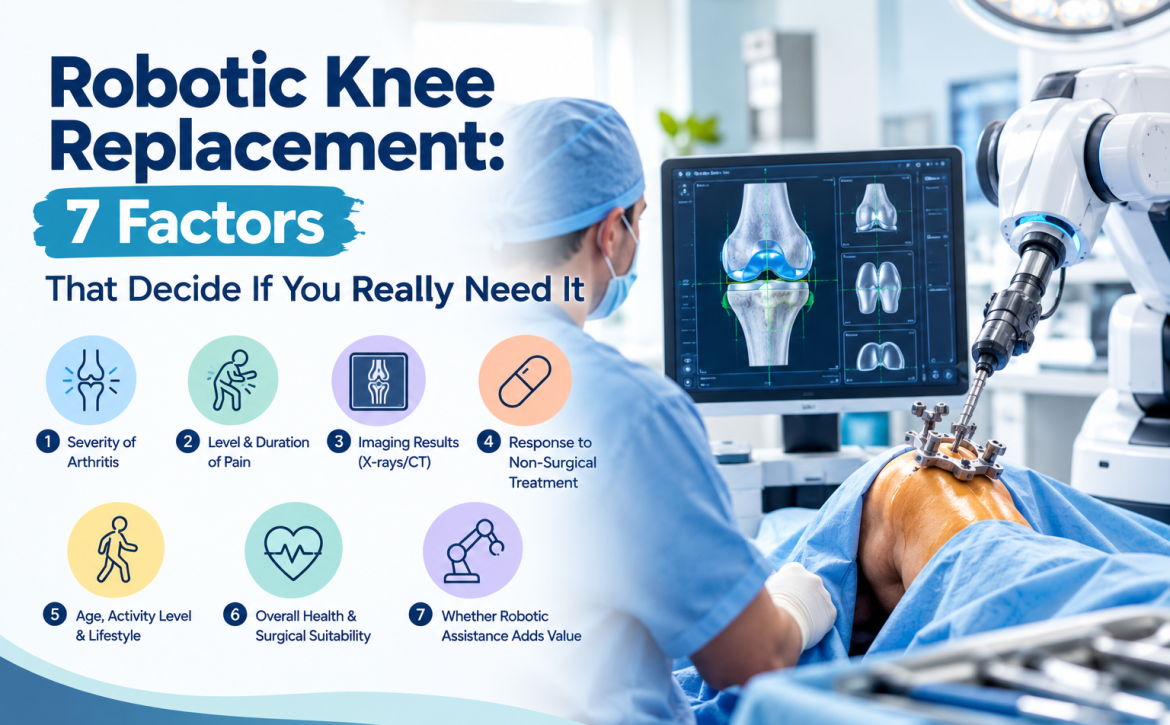
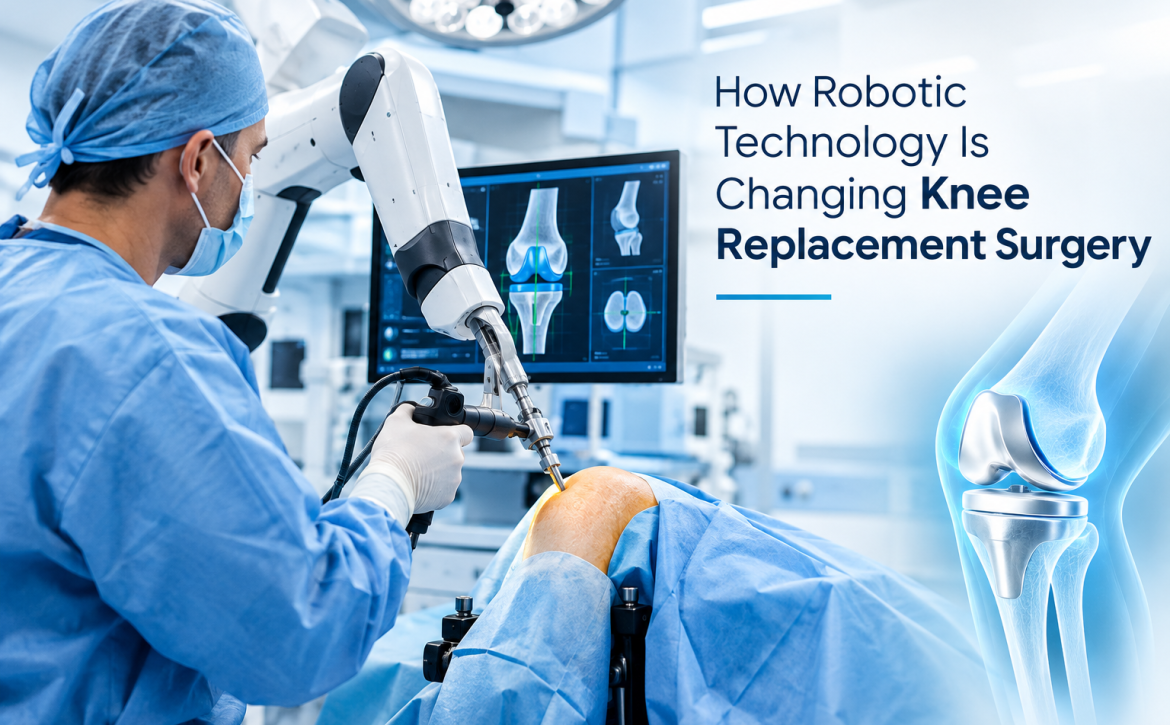
Robotic assisted knee replacement starts differently. Before the operation, a CT scan of your knee is used to build a precise 3D model of your specific joint anatomy. The surgeon maps out the entire procedure on that model, selecting implant size and position down to the millimeter. During surgery, a robotic arm executes that plan and physically resists any movement outside the approved zone.

The result is not just a cleaner cut. It is a replacement joint fitted to your anatomy, not a generic template built for an average patient who may look nothing like you.

“The most important thing in knee replacement is not just removing the damaged bone. It is getting the alignment right, balancing the ligaments, and ensuring the implant sits exactly where it needs to for that specific patient.”

The Clinical Case for Robotic Surgery Over Manual Techniques

Patients researching robotic knee surgery success rates consistently find the same picture across major orthopedic studies: robotic assisted procedures show measurably better implant alignment, lower revision rates, and stronger patient satisfaction scores at both one year and five year follow-ups compared to conventional surgery.

Here is what drives those outcomes clinically:

Sub-Millimeter Implant Precision

Even small errors in implant placement compound over time. The knee is a loaded joint taking four to six times your body weight with each step. Off by a few degrees, and the implant wears unevenly, leading to pain and eventual failure. Robotic systems eliminate this margin of error entirely.

Real-Time Ligament Balancing Technology

Balancing the soft tissue around the joint is one of the most technically demanding parts of knee replacement. Too tight on one side and the knee stiffens. Too loose and it becomes unstable. Robotic platforms provide live tension data throughout the procedure, so the surgeon adjusts until the balance is objectively correct, not just estimated by feel.

Less Tissue Disruption, Faster Recovery

Because the robotic arm operates with such accuracy, surgeons work through smaller incisions with less disruption to surrounding muscle and soft tissue. Patients consistently report lower post-operative pain scores and hit physiotherapy milestones faster than patients who had conventional surgery.

Faster Recovery Protocols After Robotic Knee Surgery

Most patients undergoing robotic knee surgery in Mumbai are walking on the same day as surgery. Hospital discharge typically happens within two to three days. Light activities resume by three to four weeks. Full return to normal daily life for most patients falls between six to twelve weeks, depending on age, overall fitness, and how much muscle loss occurred before surgery.

Fully Active Robotic Knee Replacement: What This Term Actually Means

You will see the phrase “fully active robotic knee replacement” while researching, and it is worth understanding exactly what it refers to.

There are different levels of robotic assistance in orthopedic surgery. Some systems are passive, meaning they provide guidance but do not physically control the instrument. Others are active, meaning the robotic arm is powered and actually controls movement during the procedure.

Mako robotic surgery is the most widely recognized fully active platform globally. Developed by Stryker, the Mako system uses haptic feedback technology to let the robotic arm physically resist any movement outside the pre-planned safe zone. The surgeon controls the instrument, but the system enforces the plan.

Mako robotic surgery in Mumbai is now available at select high-volume centers with surgeons specifically trained on the platform. Not every hospital that describes itself as a robotic surgery center uses a fully active system. When you consult, ask specifically which robotic platform is being used and how many procedures the surgeon has personally completed on it.

Robotic Knee Surgery Cost in India: What You Actually Pay

Cost is one of the most searched questions around robotic knee replacement in India, both by domestic patients and international medical tourists. The numbers are worth understanding clearly.

The same procedure in the United States typically costs between USD 25,000 and 50,000. In the United Kingdom, NHS waiting lists for elective joint replacement have stretched to 18 months or longer. In Mumbai, total costs including hospital stay, implant, and post-operative care generally range from INR 3.5 to 6 lakhs, depending on hospital tier, implant brand, room category, and whether rehabilitation is included.

For medical tourists from the Gulf, Southeast Asia, Africa, and parts of Europe, this makes affordable robotic knee replacement in India a genuinely sensible clinical and financial decision, not a compromise. Mumbai specifically offers international accreditation, English-speaking care teams, and infrastructure that handles patients traveling from abroad smoothly from arrival through discharge.

Affordable robotic knee replacement does not mean a lower standard of surgery. India’s cost advantage comes from favorable pricing structures, not from cutting corners on implant quality, surgeon training, or post-operative care.

Who Should Consider Robotic Knee Replacement

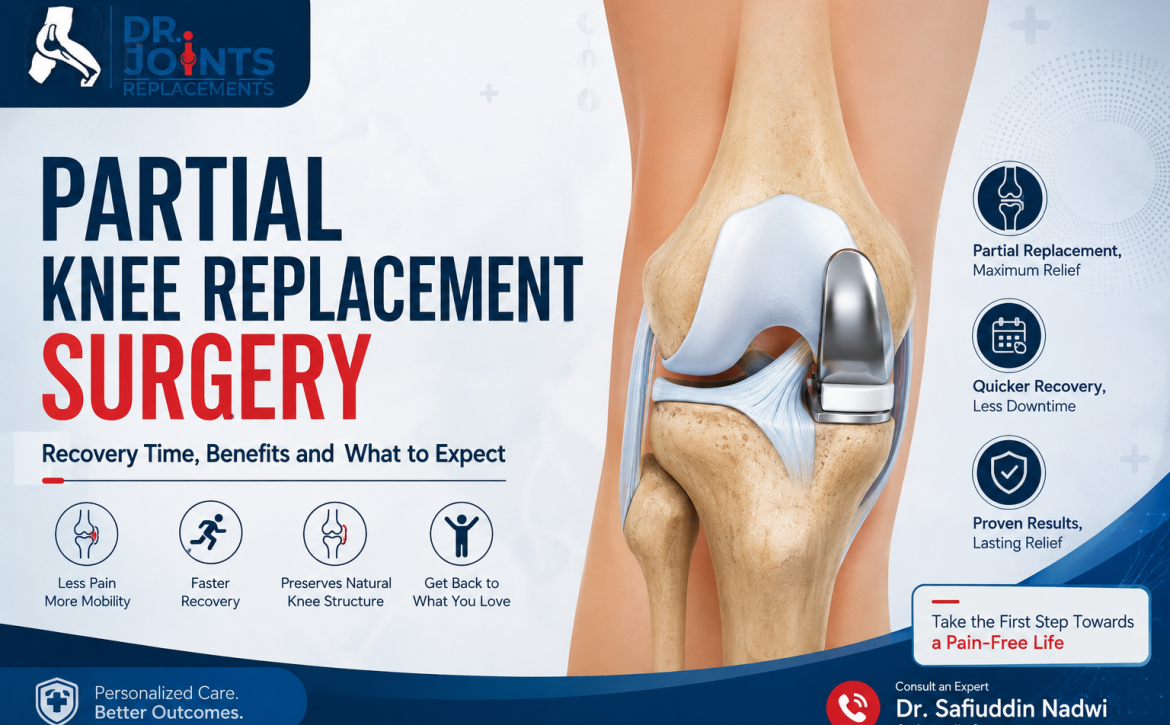
Most patients who qualify for traditional knee replacement are also candidates for the robotic approach. The robotic platform works for both total knee replacement and, on some systems, partial (unicompartmental) knee replacement where only the damaged section of the joint is resurfaced.

You are likely a strong candidate if:

• You have severe osteoarthritis confirmed on X-ray or MRI with significant joint space narrowing

• Conservative treatments including physiotherapy, injections, and anti-inflammatory medications have provided limited or temporary relief

• Pain limits daily activities like walking short distances, climbing stairs, sleeping through the night, or sitting for extended periods

• You are medically fit for surgery as assessed by your orthopedic surgeon and anesthesiologist

• You want a durable outcome designed to last 20 to 25 years with normal activity

Age alone is not a disqualifying factor. Robotic knee replacement surgery is performed routinely on patients in their 50s and early 60s who want to stay active for decades, and on patients in their 70s and 80s who simply need relief from pain that has become unmanageable.

Dr. Safiuddin T. Nadwi: Robotic Joint Replacement Specialist in Mumbai

When patients search for the best robotic knee surgeon in Mumbai, Dr. Safiuddin T. Nadwi is consistently among the most experienced specialists in robotic and computer assisted joint replacement available in the city.

Practicing in the Tardeo and Dadar corridors of central Mumbai, Dr. Safiuddin T. Nadwi has built a focused practice around precision orthopedic surgery. As a robotic surgery specialist based in Dadar, he offers patients access to advanced robotic platforms alongside the individualized attention that larger hospital systems often struggle to maintain at scale.

His clinical approach is built around one core principle: every patient’s anatomy is different, and surgery planned on a generic model will always underperform surgery planned on your actual knee. Pre-surgical 3D imaging is a standard part of every procedure, not an add-on.

Patients traveling from outside Maharashtra or from abroad specifically for robotic knee surgery choose Dr. Safiuddin T. Nadwi because his team coordinates pre-surgical imaging, implant selection, hospital admission, and post-operative physiotherapy as a single integrated process rather than a disconnected sequence of referrals.

Choosing the Right Orthopedic Surgeon in Mumbai: Questions That Matter

Not every orthopedic surgeon in Mumbai performs robotic assisted procedures. Not every surgeon who does has the same volume of experience. When you sit down for a consultation, these are the questions worth asking directly:

•  How many robotic knee replacements have you personally performed, and on which robotic system?

• Is your platform fully active with haptic resistance, or does it provide guidance only?

• Do you use patient-specific 3D CT imaging during surgical planning as a standard step?

• What is your revision rate for primary knee replacements?

• What does your post-operative physiotherapy protocol look like, and is it supervised in-house?

The answers to these questions will tell you far more than any marketing material on a hospital website.

Realistic Recovery Timeline for Robotic Knee Replacement

Day of Surgery

Most patients sit up and take a few assisted steps within hours of coming out of anesthesia. A physiotherapist visits the same day in most robotic knee surgery protocols.

Days 2 to 3

Discharge from hospital. Walking with crutches or a walker begins in earnest. Pain is managed with oral medications and ice. Swelling is expected and normal at this stage.

Weeks 2 to 4

Most patients reduce or eliminate stronger pain medication. Swelling reduces noticeably. Supervised physiotherapy continues, with range of motion exercises increasing progressively.

Weeks 4 to 6

Daily activities resume comfortably for most patients. Cooking, light housework, and short outdoor walks become manageable. Driving typically resumes around this point depending on which leg was operated on.

Months 3 to 6

Patients return to activities including swimming, cycling, and extended travel. Many report that the operated knee feels more stable and less painful than it has in years.

One Year Follow-Up

Clinical reviews at this stage show implant alignment confirmed on imaging, full or near-full range of motion, and patient satisfaction rates that exceed those reported for conventional knee replacement in comparable published studies.

Why Mumbai in 2026 Is the Right Place for Robotic Knee Surgery

Mumbai has the concentration of orthopedic talent, hospital infrastructure, and robotic platform availability that most Indian cities are still building toward. Several hospitals in the city carry international accreditation. Direct flight connections exist from most Gulf cities, Southeast Asia, and East Africa. Medical tourism support in Mumbai now routinely handles everything from airport transfers to post-discharge accommodation.

For patients from Maharashtra, Goa, Gujarat, and neighboring states, Mumbai offers the most direct access to high-volume robotic orthopedic care. For international patients, Mumbai competes directly with Bangkok and Dubai on both clinical quality and cost, and frequently wins on surgeon specialization in joint replacement.

The choice to go robotic in 2026 is no longer a premium decision for a narrow segment of patients. As more orthopedic surgeons complete formal training on robotic platforms and hospital pricing stabilizes, the question shifts away from “can I afford robotic surgery?” and toward “why would I accept anything less precise?”

Taking the Next Step

If you or someone in your family has been living with chronic knee pain, the path forward is more accessible than it was five years ago. Robotic knee replacement in Mumbai gives patients something that traditional surgery cannot guarantee: a procedure planned specifically for your joint, executed with a level of precision that human hands alone cannot consistently achieve every single time.

Consult a qualified robotic surgery specialist in Mumbai. Review your imaging honestly. Ask the hard questions. Dr. Safiuddin T. Nadwi and his team are available for consultation for both local patients and those traveling from outside the city or from abroad.

Your knee, done right, should last you decades. It is worth getting the approach right the first time.

March 17, 2026 by admin 0 Comments

What Is Knee Preservation? A Guide for Patients Who Want to Avoid Knee Replacement

Knee pain is something many people ignore in the beginning. It usually starts as a mild discomfort after a long day, slight stiffness in the morning, or pain while climbing stairs. Most people think it will go away on its own, so they delay treatment.

But over time, this small problem can turn into a serious condition. The cartilage starts wearing out, the joint becomes weak, and daily activities become painful. At this stage, many patients are told that knee replacement surgery is the only solution.

The truth is, this situation can often be avoided.

If you take action early, there are several treatments available that can help you manage pain, repair damage, and protect your natural knee joint. This approach is known as knee preservation.

If you are searching for knee preservation surgery in Mumbai or looking for knee pain treatment without surgery in Mumbai, this guide will give you a clear understanding of how you can avoid or delay knee replacement.

What Is Knee Preservation

Knee preservation is a modern treatment approach that focuses on saving your natural knee joint instead of replacing it.

The goal is simple. Reduce pain, improve function, and slow down or stop further damage.

Instead of jumping directly to surgery, knee preservation looks at the root cause of the problem and treats it early. It combines different treatment methods to give long-term relief.

This approach is commonly used for patients with early osteoarthritis, cartilage damage, ligament injuries, or lifestyle-related knee pain.

Today, more patients are searching for alternatives to knee replacement surgery, and knee preservation has become a preferred option.

Why Knee Problems Are Increasing

Knee pain is becoming very common, even among younger people. There are several reasons behind this trend.

One major reason is lifestyle. Many people spend long hours sitting, which weakens the muscles around the knee. Weak muscles cannot support the joint properly, leading to pain and instability.

Weight gain is another important factor. Extra body weight puts constant pressure on the knee joint, which increases wear and tear.

Old injuries also play a role. Many people ignore minor injuries during sports or daily activities. Over time, these untreated injuries lead to serious joint problems.

Poor posture, incorrect walking habits, and lack of physical activity also contribute to knee damage.

Understanding these causes helps in choosing the right knee pain treatment without surgery in Mumbai.

Who Should Consider Knee Preservation

Knee preservation is not for everyone, but it is highly effective for the right patients.

You should consider this approach if you have

  • Early stage knee pain
  • Mild to moderate osteoarthritis
  • Cartilage damage
  • Meniscus injury
  • Ligament issues
  • Knee pain during activity but not severe at rest

It is especially useful for people who want to stay active and avoid long recovery periods.

If you are actively searching for knee preservation specialist in Mumbai, it usually means you are in a stage where this approach can help you.

Stages of Knee Damage and Treatment Options

Knee problems usually develop in stages, and treatment depends on how early the condition is diagnosed.

In the early stage, pain is mild and occasional. At this stage, physiotherapy, exercises, and lifestyle changes can give excellent results.

In the moderate stage, pain becomes more frequent and starts affecting daily activities. Here, treatments like injections, bracing, and minimally invasive procedures may be required.

In advanced stages, pain becomes constant, and movement is limited. In such cases, knee replacement surgery may be necessary.

This is why early knee pain treatment in Mumbai is very important.

Detailed Diagnosis Before Starting Treatment

A proper diagnosis is the first and most important step.

A knee preservation specialist will not rely only on symptoms. They will perform a detailed evaluation that includes

  • Physical examination of the knee
  • Checking joint movement and flexibility
  • Assessing muscle strength
  • Evaluating walking pattern
  • Reviewing medical history

Imaging tests such as X-rays or scans are used to understand the internal condition of the joint.

This detailed assessment helps create a personalized treatment plan for non surgical knee treatment in Mumbai.

Types of Knee Preservation Treatments

Knee preservation is not a single treatment. It includes a combination of methods depending on the patient’s condition.

Physiotherapy and Strength Training

Physiotherapy is the foundation of knee preservation.

It helps in strengthening the muscles around the knee, which reduces pressure on the joint. Strong muscles provide better support and improve stability.

Regular exercise also improves flexibility and reduces stiffness.

Many patients experience significant improvement with consistent physiotherapy.

Injection-Based Treatments

Injections are commonly used to reduce pain and promote healing.

PRP injection uses your own blood to stimulate tissue repair and reduce inflammation.

Other injections help in lubricating the joint, making movement smoother and less painful.

These treatments are useful for patients looking for non surgical knee treatment in Mumbai.

Stem Cell Therapy

Stem cell therapy is an advanced option used in certain cases.

It helps in repairing damaged tissues and improving joint health. It is commonly used for cartilage damage and early joint degeneration.

This treatment is suitable for patients who want long-term relief without surgery.

Arthroscopic Procedures

Arthroscopy is a minimally invasive procedure where small instruments are used to treat problems inside the knee.

It is helpful for

  • Meniscus repair
  • Ligament injuries
  • Cartilage damage

This method helps preserve the natural knee and allows faster recovery compared to traditional surgery.

Bracing and Support

Knee braces are often recommended to reduce stress on the joint.

They help in improving alignment and provide support during daily activities.

This is a simple but effective method in knee preservation.

Importance of Alignment and Movement

In many patients, knee pain is not just due to damage but also due to improper alignment.

When body weight is unevenly distributed, one side of the knee wears out faster.

Correcting alignment through exercises or support devices can reduce pain and slow down damage.

Proper walking and movement habits also play a major role in recovery.

Role of Weight Management

Body weight has a direct impact on knee health.

Every extra kilogram increases pressure on the knee joint. This accelerates cartilage wear and increases pain.

Maintaining a healthy weight is one of the most effective ways to protect your knee.

Patients searching for knee joint pain treatment in Mumbai should always consider this factor.

Diet and Nutrition for Joint Health

A healthy diet supports recovery and reduces inflammation.

Important nutrients include

  • Calcium for bone strength
  • Vitamin D for better absorption
  • Protein for muscle repair
  • Anti-inflammatory foods for joint health

Proper nutrition helps improve the effectiveness of treatment.

How Long Can You Delay Knee Replacement

This depends on several factors such as stage of damage, treatment consistency, and lifestyle changes.

Many patients are able to delay surgery for several years with proper knee preservation treatment.

Some patients even avoid surgery completely if they start treatment early and follow medical advice.

This is why many people look for alternatives to knee replacement surgery.

Common Mistakes Patients Make

Avoiding these mistakes can protect your knee

  • Ignoring early symptoms
  • Taking painkillers without proper diagnosis
  • Delaying consultation
  • Not following physiotherapy
  • Sudden heavy exercise
  • Continuing activities that strain the knee

Proper guidance from a knee preservation specialist Mumbai can prevent these issues.

Mental and Lifestyle Benefits

Avoiding surgery is not just about physical health.

It also helps in

  • Maintaining daily routine
  • Avoiding long recovery periods
  • Staying independent
  • Reducing stress related to surgery

This improves overall quality of life.

When Knee Replacement Becomes Necessary

Knee preservation has its limits.

Surgery becomes necessary when

  • Joint damage is severe
  • Pain is constant even at rest
  • Movement is highly restricted
  • Other treatments are not effective

In such cases, knee replacement provides relief and improves mobility.

Final Thoughts

Knee preservation is a smart and practical approach for patients who want to avoid or delay knee replacement.

It focuses on early diagnosis, proper treatment, and long-term care.

If you are searching for knee preservation surgery in Mumbai or looking for knee pain treatment without surgery in Mumbai, taking action early can make a big difference.

Take the Next Step

Do not ignore knee pain.

Consult a knee preservation specialist in Mumbai and explore the best treatment options available.

Taking the right step today can help you stay active and avoid major surgery in the future.

March 17, 2026 by admin 0 Comments

How to Choose the Best Robotic Knee Replacement Surgeon in Mumbai

Knee pain is not just a small problem. It slowly affects your daily routine, your work, and your quality of life. Many people in Mumbai continue to live with pain for years, depending on painkillers, physiotherapy, and temporary treatments. But when the knee joint is severely damaged, these methods stop working.

At this stage, knee replacement surgery becomes the most effective solution. Today, many patients are choosing robotic knee replacement surgery in Mumbai because it offers better accuracy, faster recovery, and long-lasting results.

But here is the most important truth. The success of your surgery depends more on the surgeon than the technology. If you are searching for the best robotic knee replacement surgeon in Mumbai, this detailed guide will help you make the right decision.

What is Robotic Knee Replacement Surgery

Robotic knee replacement is an advanced and modern technique used to perform joint replacement with high precision. It is also known as robot assisted knee replacement in Mumbai or robotic total knee replacement Mumbai.

In this procedure, the surgeon uses advanced imaging and planning software to understand your knee structure in detail. A robotic system then assists the surgeon during the operation to ensure precise bone cuts and accurate placement of the implant.

This leads to

  • Better joint alignment
  • Less damage to surrounding muscles and tissues
  • Reduced pain after surgery
  • Faster recovery compared to traditional surgery
  • Longer life of the knee implant

Because of these benefits, many patients now prefer minimally invasive knee replacement Mumbai options.

Why Choosing the Right Surgeon is Important

Many people believe that robotic machines perform the surgery. This is not true. The surgeon is always in full control. The robot only assists in improving accuracy.

An experienced robotic knee replacement specialist Mumbai ensures that every step is done correctly, from planning to execution.

A skilled surgeon helps in

  • Reducing surgical risks
  • Achieving better movement after surgery
  • Improving implant durability
  • Ensuring faster rehabilitation

That is why choosing the best knee replacement surgeon Mumbai is more important than just selecting robotic surgery.

Experience in Robotic Knee Surgery

Experience is one of the most important factors when selecting a surgeon.

You should always check

  • Number of robotic knee replacement surgeries performed
  • Years of experience in joint replacement
  • Experience in handling complex knee conditions
  • Success rate of surgeries

A highly experienced robotic knee replacement doctor Mumbai will be able to handle different types of cases with confidence.

Specialization in Knee Replacement Procedures

Orthopedic surgery is a broad field, but knee replacement requires specialized skills.

Choose a surgeon who focuses on

A specialist in robotic knee replacement surgery Mumbai will have better understanding of alignment, implant positioning, and patient recovery.

Pre-Surgery Assessment and Planning

Proper planning is very important before surgery.

A good surgeon will perform

  • Detailed X-rays and scans
  • Joint condition analysis
  • Medical history evaluation
  • Fitness assessment for surgery

This step ensures that your robotic total knee replacement in Mumbai is customized according to your body and condition.

Technology and Surgical Approach

Not all robotic systems are the same. The quality of technology and surgical technique matters.

Your surgeon should explain

  • How robotic assistance improves precision
  • Type of implant used
  • Surgical approach used for your case

This helps you understand the benefits of robotic knee surgery Mumbai near me and builds confidence before surgery.

Patient Reviews and Trust

Patient experience is one of the strongest indicators of a good surgeon.

Before making a decision, check

  • Online ratings and reviews
  • Patient success stories
  • Recovery timelines
  • Feedback on pain relief and mobility

A trusted best knee replacement surgeon in Mumbai will have strong patient satisfaction and positive outcomes.

Understanding the Cost of Surgery

Cost plays a major role in decision-making.

The robotic knee replacement cost in Mumbai depends on several factors such as

  • Type of knee implant
  • Hospital facilities
  • Surgeon’s expertise
  • Technology used
  • Rehabilitation and physiotherapy

Always ask for a complete cost breakdown so you can plan your treatment without confusion.

Hospital Infrastructure and Support

The hospital where the surgery is performed is equally important.

Choose a hospital that offers

  • Advanced robotic operation theatre
  • Experienced medical staff
  • Emergency and ICU support
  • Dedicated physiotherapy team

A well-equipped hospital improves the overall success of robot assisted knee replacement in Mumbai.

Recovery and Rehabilitation After Surgery

Recovery is a crucial part of knee replacement.

After surgery, most patients

  • Start walking within 24 to 48 hours
  • Begin physiotherapy immediately
  • Gradually regain strength and movement
  • Return to normal routine within a few weeks

Following proper rehabilitation ensures long-term success after robotic knee replacement surgery in Mumbai.

Long-Term Benefits of Robotic Knee Replacement

Robotic surgery offers long-term advantages when done by an experienced surgeon.

These include

  • Better joint function
  • Natural knee movement
  • Reduced wear and tear of implant
  • Lower chances of revision surgery
  • Improved quality of life

This is why many patients are now actively searching for best robotic knee replacement surgeon in Mumbai.

Who Needs Knee Replacement Surgery

You may need surgery if you experience

  • Severe knee pain while walking or resting
  • Stiffness and reduced flexibility
  • Swelling in the knee joint
  • Difficulty in climbing stairs
  • No relief from medication or physiotherapy

Consulting a robotic knee replacement specialist Mumbai at the right time can prevent further complications.

Important Questions to Ask Your Surgeon

Before finalizing your decision, ask these questions

  • Am I suitable for robotic knee replacement
  • What type of surgery is best for me
  • How long will recovery take
  • What precautions should I follow
  • What results can I expect after surgery

These questions help you choose the right robotic knee replacement doctor Mumbai.

Final Thoughts

Knee replacement surgery is a life-changing decision. It not only removes pain but also helps you return to an active and independent lifestyle.

If you are searching for the best robotic knee replacement surgeon in Mumbai, focus on experience, patient trust, advanced technology, and complete care.

Choosing the right specialist ensures safe surgery, faster recovery, and long-lasting results.

Take the Next Step

Do not ignore knee pain for too long. Early consultation can help you understand your condition and available treatment options.

Consult a trusted robotic knee replacement surgeon in Mumbai and take the first step toward a pain-free and active life.

February 16, 2026 by admin 0 Comments

Knee Replacement Surgery: Procedure, Cost, Recovery & Success Rate

Knee pain can significantly affect your daily life, mobility, and overall quality of life. For many individuals, persistent knee pain caused by arthritis, injury, or wear-and-tear can make simple activities like walking, climbing stairs, or even sitting for long periods challenging. Knee replacement surgery offers a long-term solution for those whose knees have deteriorated beyond conservative treatments.

In this blog, we will explore the knee replacement procedure, types, costs, recovery process, success rates, risks, and how to choose the best knee replacement surgeons near you.

Understanding the Knee Joint & Why Replacement Is Needed

The knee joint is one of the largest and most complex joints in the body. It consists of:

  • Bones: Femur (thigh bone), tibia (shin bone), and patella (kneecap).
  • Cartilage: Smooth tissue covering the ends of bones, allowing pain-free movement.
  • Ligaments: Provide stability and connect bones together.
  • Meniscus: Shock-absorbing cartilage that cushions the joint.

Arthritis, particularly osteoarthritis and rheumatoid arthritis, gradually damages the cartilage, causing bone-on-bone friction, pain, swelling, and stiffness.

Early-stage knee problems may be managed with medications, injections, physiotherapy, or lifestyle modifications. However, advanced joint damage often requires knee replacement surgery to restore mobility and reduce pain.

What Is Knee Replacement Surgery?

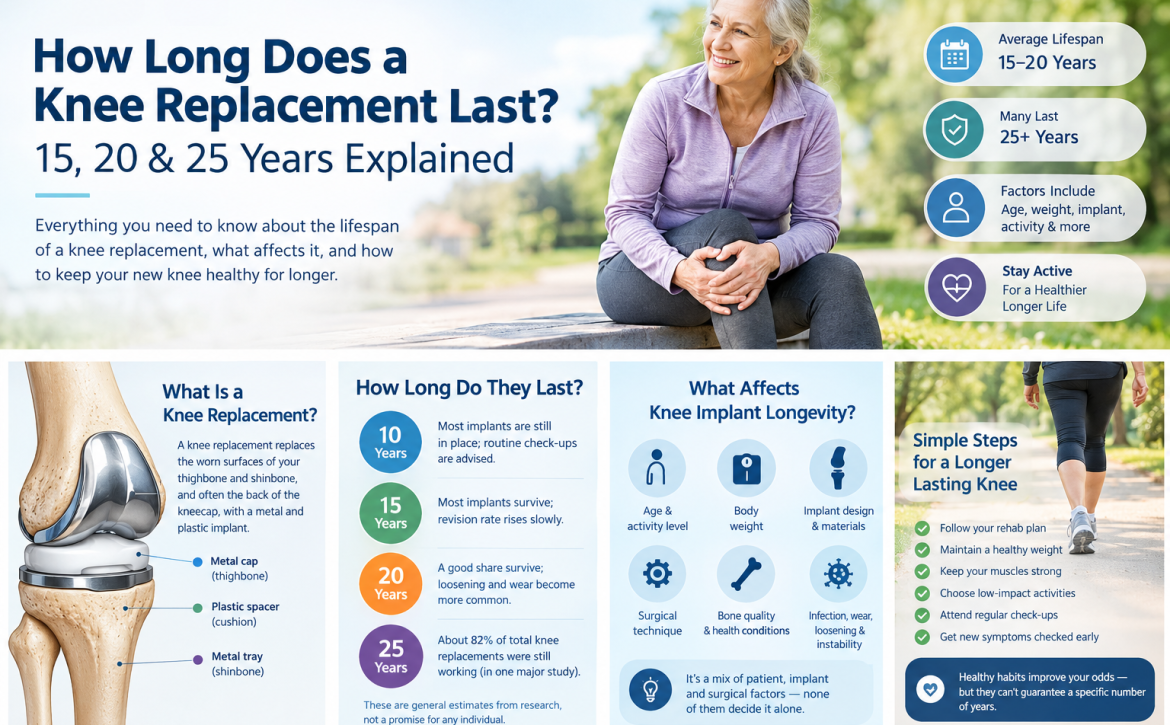
Knee replacement surgery, also called knee arthroplasty, involves removing the damaged portions of the knee and replacing them with artificial implants made of metal, plastic, or ceramic materials.

Unlike joint preservation treatments such as cartilage repair or partial procedures, knee replacement provides long-lasting relief for severely damaged joints. The new artificial joint restores alignment, improves mobility, and significantly reduces pain.

Conditions That Require Knee Replacement Surgery

Knee replacement is usually recommended for the following conditions:

  1. Osteoarthritis: The most common reason for knee replacement. It occurs due to wear-and-tear over time.
  2. Rheumatoid Arthritis: Autoimmune inflammation causes joint damage and deformity.
  3. Post-Traumatic Arthritis: Arthritis developing after a serious knee injury.
  4. Failed Previous Knee Surgeries: Previous surgeries may not restore full function, leading to replacement.

Symptoms That Indicate You May Need Knee Replacement

You may be a candidate for knee replacement if you experience:

  • Persistent knee pain, even at rest or during sleep.
  • Severe stiffness and knee deformity.
  • Difficulty walking long distances or climbing stairs.
  • Reduced ability to perform daily activities, affecting your quality of life.

Types of Knee Replacement Surgery

1. Total Knee Replacement (TKR)

The most common and widely recommended procedure. In total knee replacement, the entire damaged knee joint is replaced with an artificial implant.
Best suited for: Severe osteoarthritis or extensive joint damage.

2. Partial Knee Replacement

Also called unicompartmental knee replacement, only the damaged portion of the knee is replaced.
Advantages: Less invasive, quicker recovery, preserves healthy bone and tissue.
Limitations: Not suitable if arthritis affects multiple compartments of the knee.

3. Full Knee Replacement

Similar to total knee replacement but may refer to cases where more durable or high-performance implants are used. Ensures full coverage of the knee surface for long-term functionality.

4. Revision Knee Replacement Surgery

Performed when a previous knee replacement fails due to implant loosening, infection, or mechanical issues. Revision surgery is more complex and requires an experienced surgeon.

Knee Replacement Surgery Procedure – Step by Step

Pre-Surgery Preparation

Before surgery, patients undergo:

  • Diagnostic tests: X-rays, MRI, and blood tests to assess joint damage.
  • Fitness clearance: Evaluation of heart, lung, and general health to ensure safe anesthesia.
  • Surgical planning: Surgeons select the right implant type and size.

During the Surgery

  • Anesthesia: Either general anesthesia (patient asleep) or spinal anesthesia (numb from waist down).
  • Damaged bone and cartilage removal: Precise removal ensures a perfect fit for the implant.
  • Implant positioning: Metal and plastic components are carefully aligned for natural knee movement.

After the Surgery

  • Pain control: Medications and regional blocks help manage post-operative pain.
  • Early mobilization: Patients are encouraged to walk with support soon after surgery to prevent stiffness.
  • Physiotherapy: Begins within 24–48 hours to restore motion and strength.

Advanced Techniques in Knee Replacement Surgery

Modern knee replacement procedures use advanced techniques for precision and faster recovery:

  • Minimally invasive knee replacement: Smaller incisions reduce tissue damage and improve healing.
  • Computer-assisted surgery (CAS): Guides accurate implant placement for better alignment.
  • Robotic knee replacement: High precision, personalized joint replacement, and improved outcomes.

Benefits: Reduced pain, quicker recovery, improved joint function, and higher long-term success rates.

Knee Replacement Surgery Cost in India

The cost of knee replacement surgery in India varies based on several factors, including the type of implant, type of surgery, and hospital category. Here’s a clear breakdown:

Factors Affecting Cost:

  • Type of Implant: Standard vs. premium implants. Premium implants last longer and provide better performance.
  • Type of Surgery: Total knee replacement, partial knee replacement, or revision knee replacement.
  • Hospital Category: Multi-specialty private hospitals, corporate hospitals, or government hospitals.

Average Cost Range in India:

  • ₹1,50,000 – ₹4,00,000 per knee
  • This usually includes: surgeon fees, hospital charges, implants, anesthesia, and post-operative care.

⚠️ Important Note: Cheaper options may compromise implant quality or surgical expertise, affecting long-term results. Always prioritize safety, quality implants, and experienced surgeons.

Contact Dr. Safiuddin Nadwi for Expert Knee Replacement Surgery

If you are considering knee replacement surgery, consult an experienced orthopedic surgeon to get a personalized treatment plan and safe surgery.

Dr. Safiuddin Nadwi specializes in:

  • Total & Partial Knee Replacement
  • Minimally Invasive & Robotic-Assisted Knee Surgery
  • Faster Recovery & Patient-Centered Care

Reach out today to schedule a consultation and learn about the most suitable knee replacement options for you

Recovery After Knee Replacement Surgery

Immediate Recovery (First Week)

  • Pain management with medications and ice therapy.
  • Walking with a walker or crutches.
  • Early physiotherapy to prevent stiffness and blood clots.

Short-Term Recovery (1–3 Months)

  • Gradual improvement in knee movement.
  • Reduced pain and swelling.
  • Increased independence in daily activities.

Long-Term Recovery (3–6 Months & Beyond)

  • Most patients return to normal daily activities.
  • High-impact sports should be avoided; low-impact exercises like walking, swimming, and cycling are recommended.
  • Lifestyle adjustments and regular physiotherapy ensure long-term joint health.

Physiotherapy & Exercises After Knee Replacement

Rehabilitation is critical for successful recovery:

  • Supervised therapy vs. home exercises: Both are effective, but regular guidance ensures correct movement patterns.
  • Mistakes to avoid: Avoid overstraining, sitting cross-legged, or lifting heavy weights too early.
  • Goal: Restore strength, flexibility, and confidence in the knee joint.

Success Rate of Knee Replacement Surgery

Knee replacement surgery has a high success rate:

  • Pain relief: 90–95% of patients report significant reduction in knee pain.
  • Implant lifespan: Modern implants last 15–20 years on average.
  • Factors affecting success: Surgeon experience, patient compliance with rehabilitation, and quality of physiotherapy.

Risks & Complications of Knee Replacement Surgery

Although knee replacement surgery is safe, complications can occur:

  • Infection: Rare but serious; requires prompt treatment.
  • Blood clots: Prevented with medications and early mobilization.
  • Implant loosening or wear: May require revision surgery.

Expert surgeons minimize risks through strict sterilization, precise implant placement, and careful post-operative care.

Life After Knee Replacement Surgery

Post-surgery, patients can enjoy improved mobility and quality of life:

  • Walking, sitting, and climbing stairs are generally possible.
  • High-impact sports and heavy labor are discouraged.
  • Return to work and travel is possible within a few months, depending on job type.

Choosing the Best Knee Replacement Surgeons

Selecting the best knee replacement surgeons near you is crucial for successful outcomes:

  • Look for experienced orthopedic surgeons with specialized training in joint replacement.
  • Ask about the surgeon’s success rates, complication rates, and post-operative care protocols.
  • Ensure proper follow-up and physiotherapy guidance.

Expert Knee Replacement Care by Dr. Safiuddin Nadwi

Dr. Safiuddin Nadwi is a leading orthopedic surgeon specializing in knee replacement surgery.

  • Extensive experience in total and partial knee replacement.
  • Focuses on minimally invasive and robotic-assisted procedures.
  • Prioritizes safe surgery, faster recovery, and patient satisfaction.

Patients under Dr. Nadwi’s care receive personalized treatment plans for optimal outcomes.

Conclusion

Knee replacement surgery offers a life-changing solution for patients with severe arthritis or joint damage. It relieves pain, restores mobility, and improves the quality of life. Early consultation with an experienced orthopedic surgeon ensures the best results.

If you are struggling with persistent knee pain or stiffness, don’t wait—seek expert care from the best knee replacement surgeons near you and take the first step toward pain-free movement.

February 12, 2026 by admin 0 Comments

10 Signs That You Need To See An Orthopedic Doctor

Comprehensive guide for joint, bone, and muscle health in Mumbai

Bone, joint, and muscle problems are becoming increasingly common across all age groups. Modern lifestyles contribute significantly to these issues. Factors such as a sedentary lifestyle, long working hours, poor posture, sports injuries, and aging can lead to joint pain, back problems, and muscle weakness.

Many people delay visiting an orthopedic doctor because they are unsure when it is necessary. Some rely on home remedies, painkillers, or physiotherapy before consulting a specialist. Unfortunately, this delay can result in chronic pain, reduced mobility, permanent joint damage, or the need for more complex treatments later.

This blog explains ten important warning signs that indicate the need to consult an orthopedic specialist in Mumbai. We’ll also discuss common conditions, what happens during a consultation, preventive tips, and the detailed benefits of early orthopedic treatment.

Sign #1: Persistent Joint Pain That Does Not Improve

Joint pain lasting more than one or two weeks is a common reason to see an orthopedic doctor. The knees, hips, shoulders, elbows, and ankles are most frequently affected. Pain may increase with movement, weight-bearing activities, or even interfere with sleep and daily routines.

Causes of persistent joint pain include:

  • Osteoarthritis – cartilage wears down over time, leading to pain and stiffness.
  • Rheumatoid arthritis – an autoimmune condition causing joint inflammation.
  • Ligament or tendon injuries – such as ACL tears, rotator cuff injury, or tendonitis.
  • Bursitis – inflammation of fluid-filled sacs that cushion the joints.
  • Post-traumatic joint problems – resulting from previous injuries.

Tip: Early consultation with a joint doctor or bone specialist can prevent permanent damage and improve joint function. Non-surgical treatments like physiotherapy or joint injections are often more effective when started early.

Sign #2: Difficulty Walking, Standing, or Performing Daily Activities

If you experience difficulty with routine movements like walking, standing, climbing stairs, or getting out of a chair, it may indicate a serious orthopedic problem. Symptoms such as limping, imbalance, or leg weakness are also warning signs.

Common causes include:

  • Knee arthritis – reduced cartilage leads to pain while walking or climbing stairs.
  • Hip disorders – osteoarthritis or labral tears can affect mobility.
  • Spine-related nerve compression – herniated discs or spondylosis can weaken leg muscles.

Tip: If you notice a loss of strength in your legs or joints, it’s a clear indication that you should visit an orthopedic specialist.

Sign #3: Swelling, Stiffness, or Inflammation in Joints

Persistent swelling, tenderness, warmth, or redness in joints is a warning sign. Morning stiffness lasting more than 30–60 minutes can indicate rheumatoid arthritis, gout, bursitis, or tendon inflammation.

Additional signs to watch for:

  • Swelling that worsens after activity
  • Limited range of motion in affected joints
  • Pain that eases slightly with rest but returns

Tip: Early joint pain treatment helps prevent joint deformity, maintain flexibility, and allow normal daily activity.

Sign #4: Chronic Back or Neck Pain

Back and neck pain are among the most common musculoskeletal complaints. While occasional soreness may be due to poor posture or muscle strain, chronic pain lasting several weeks is a red flag.

Symptoms that require attention:

  • Pain radiating to arms or legs
  • Tingling, numbness, or burning sensations
  • Muscle weakness or reduced grip strength

Common causes:

  • Slipped or herniated discs
  • Cervical or lumbar spondylosis
  • Sciatica – nerve compression causing pain down the legs
  • Posture-related spine problems

Early evaluation by a back pain specialist or orthopedic surgeon can prevent complications such as permanent nerve damage or reduced mobility.

Sign #5: Pain or Injury After a Fall, Accident, or Trauma

Pain, swelling, or deformity after falls, road accidents, or sports injuries requires urgent attention. Injuries may include:

  • Fractures (broken bones)
  • Ligament or tendon tears
  • Joint dislocations

Tip: Immediate assessment at an orthopedic hospital is essential. Early treatment ensures proper healing, prevents deformities, and reduces long-term disability.

Sign #6: Sports Injury That Is Not Healing Properly

Active individuals or athletes are prone to sports-related injuries such as:

  • ACL tears
  • Meniscus injuries
  • Tennis elbow or golfer’s elbow
  • Rotator cuff injuries
  • Muscle strains or sprains

Warning signs:

  • Persistent pain despite rest, medication, or physiotherapy
  • Recurring injuries in the same joint
  • Joint instability during physical activity

Consulting a sports injury doctor or orthopedic specialist ensures proper diagnosis, treatment, and rehabilitation to prevent chronic problems.

Sign #7: Limited Range of Motion in Joints

Difficulty bending, straightening, or rotating a joint can indicate structural problems. Common issues include:

  • Cartilage damage
  • Frozen shoulder (adhesive capsulitis)
  • Joint degeneration

Other signs include joint locking, clicking, or catching, making daily activities like dressing, cooking, or lifting objects difficult. Timely orthopedic evaluation can prevent permanent stiffness and restore function.

Sign #8: Visible Bone Deformity or Abnormal Shape

Changes in bone alignment or joint structure, such as bent fingers, crooked knees, uneven shoulders, or unequal leg length, are a serious warning sign.

Possible causes:

  • Improper fracture healing
  • Advanced arthritis
  • Bone disorders or diseases

Early assessment by a bone specialist can prevent worsening deformities and improve long-term function.

Sign #9: Joint Pain With Fever, Redness, or Warmth

Joint pain accompanied by fever may indicate joint infection (septic arthritis) or severe inflammatory arthritis. Symptoms include:

  • Swelling
  • Redness
  • Warmth around the joint
  • Severe pain with restricted movement

Urgent orthopedic consultation is necessary to prevent permanent joint damage and control infection.

Sign #10: Pain Not Relieved by Medication or Physiotherapy

Persistent pain that affects sleep, work, or daily life despite medication or physiotherapy indicates a deeper problem. Advanced diagnostics like X-rays, MRI, CT scans, or blood tests may be required to determine the cause.

A specialized orthopedic doctor can provide a personalized treatment plan tailored to your condition.

Risk Factors for Orthopedic Problems

Certain factors increase the likelihood of developing bone, joint, and muscle issues:

  • Age: Older adults are more prone to arthritis, osteoporosis, and degenerative joint conditions.
  • Sedentary lifestyle: Lack of exercise weakens muscles and increases joint stiffness.
  • Obesity: Excess weight puts pressure on joints, especially knees and hips.
  • Sports activities: High-impact sports can cause ligament and tendon injuries.
  • Occupational hazards: Jobs requiring repetitive movements or prolonged sitting can lead to musculoskeletal problems.
  • Poor posture: Leads to spine issues and chronic back pain.

Conditions Commonly Treated by an Orthopedic Doctor

Orthopedic specialists in Mumbai manage a wide variety of conditions:

  • Arthritis and degenerative joint diseases
  • Fractures and trauma-related injuries
  • Spine disorders such as slipped discs and spondylosis
  • Sports injuries including ACL, meniscus, and shoulder injuries
  • Ligament and tendon injuries
  • Joint replacement surgery (hip, knee, shoulder)
  • Osteoporosis and bone health disorders
  • Carpal tunnel syndrome and nerve compression

Preventive Tips to Avoid Orthopedic Problems

  1. Exercise regularly: Low-impact exercises like walking, swimming, and yoga strengthen muscles and joints.
  2. Maintain a healthy weight: Reduces pressure on knees, hips, and spine.
  3. Practice good posture: Helps prevent back and neck pain.
  4. Warm-up before sports: Prevents ligament and tendon injuries.
  5. Use ergonomic furniture: Reduces strain on spine and joints.
  6. Eat a balanced diet: Foods rich in calcium, vitamin D, and protein support bone and muscle health.

What Happens During an Orthopedic Consultation

1. Medical history evaluation:
The doctor asks about pain duration, severity, triggers, past injuries, and lifestyle habits.

2. Physical examination:
Checks joint range of motion, posture, gait, swelling, deformities, and muscle strength.

3. Diagnostic tests:
May include X-rays, MRI, CT scans, ultrasound, or blood tests.

4. Personalized treatment plan:
Treatment options may include medications, physiotherapy, injections, lifestyle modifications, or surgery.

Benefits of Early Orthopedic Treatment 

Seeking early orthopedic care can make a significant difference in recovery, long-term joint health, and overall quality of life.

1. Faster Pain Relief and Recovery

Early intervention allows orthopedic doctors to identify the root cause of pain and start appropriate treatment quickly. For example:

  • Early-stage arthritis patients may experience immediate relief from anti-inflammatory medications or joint injections.
  • Sports injuries like ligament sprains or tendon strains heal faster with physiotherapy or braces.

By addressing problems early, patients avoid prolonged pain, reduce reliance on painkillers, and return to daily activities sooner.

2. Prevention of Long-Term Joint Damage

Delayed treatment can allow joint degeneration, cartilage wear, or ligament injury to worsen. Early care helps preserve joint structure and function:

  • Anti-inflammatory treatments or injections prevent arthritis progression.
  • Early surgery or minimally invasive procedures can correct deformities before permanent damage occurs.
  • Rehabilitation ensures joints maintain flexibility and strength, reducing future complications.

3. Reduced Chances of Surgery

Many orthopedic conditions can be managed non-surgically if detected early:

  • Physiotherapy, lifestyle changes, and medications can treat mild arthritis, minor fractures, or tendonitis.
  • Minimally invasive procedures like arthroscopy address joint issues before they worsen.

Early care reduces the need for complex surgeries, which are more costly, involve longer recovery, and carry higher risks.

4. Improved Mobility and Independence

Pain, stiffness, or joint instability can restrict your ability to perform daily tasks. Early orthopedic treatment helps restore strength, range of motion, and balance:

  • Patients regain the ability to walk, climb stairs, lift objects, and perform work or household activities comfortably.
  • Reduced pain and better joint function help prevent falls and injuries, especially in older adults.

5. Better Overall Quality of Life

When pain is managed and joints are healthy, patients experience improvements in:

  • Sleep quality – chronic pain often disrupts rest; early treatment reduces nighttime discomfort.
  • Mental health – living without constant pain reduces stress and anxiety.
  • Physical activity – patients can participate in hobbies, sports, and social activities.
  • Work productivity – early treatment prevents long-term disability that may affect employment.

Conclusion

Persistent joint pain, swelling, limited mobility, sports injuries, or deformities are clear signs that you should see an orthopedic doctor in Mumbai. Early consultation ensures accurate diagnosis, effective treatment, and long-term joint, bone, and muscle health.

Remember: Early action leads to faster recovery, preserved mobility, and better quality of life. Don’t wait for pain to worsen — prioritize your orthopedic health today.

January 29, 2026 by admin 0 Comments

Robotic Partial Knee Replacement: Is It Truly Better, Safer, and Worth the Cost?

Knee pain rarely starts strong. It builds slowly. At first, you feel discomfort after long walks. Then stairs begin to hurt. Sitting down and standing up take effort. Over time, pain controls your routine. You plan your day around what your knee allows.

Most patients try medicines, exercise, or injections. These options help for some time. When pain keeps coming back and movement keeps reducing, surgery becomes the real solution.

Doctors now offer robotic partial knee replacement to selected patients. People hear it gives better accuracy and faster recovery. They also hear it costs more. This creates doubt.

So the real question is simple. Does robotic partial knee replacement actually give better results and long-term value?

What happens inside an arthritic knee

Your knee joint has smooth cartilage covering the bone ends. This cartilage allows easy and pain-free movement. Arthritis slowly wears this surface down. As cartilage thins, bones begin to rub against each other. This causes pain, swelling, stiffness, and loss of movement.

In many patients, arthritis affects only one side of the knee. This happens because daily stress, posture, and body weight often overload one area more than others. The rest of the knee may remain healthy for years.

Why partial knee replacement exists

The knee has three main parts: the inner side, the outer side, and the area behind the kneecap. When damage stays limited to one part, replacing the entire knee removes healthy bone and tissue that still work well.

Partial knee replacement treats only the damaged section. The surgeon removes worn bone and cartilage from that area and places a small implant. Healthy bone, muscles, and ligaments stay intact.

This matters because ligaments guide natural knee movement. Keeping them helps the knee feel stable and normal after surgery. Patients often walk sooner and regain confidence faster.

Limits of traditional partial knee surgery

Traditional partial knee surgery relies on manual tools and visual judgment. Even skilled surgeons face limits. Every knee has a unique shape. Visibility inside the joint stays limited. Hand control always has small variation.

Minor alignment errors may not cause immediate problems. Over time, they can lead to pain, uneven wear, or early implant failure.

What robotic partial knee replacement changes

Robotic partial knee replacement improves how surgeons plan and perform surgery. The surgeon stays in full control. The system supports precision and consistency.

It improves three key areas: planning before surgery, controlled bone preparation during surgery, and confirmation of alignment before finishing.

Planning before robotic knee replacement surgery

Before surgery, doctors scan your knee. These scans create a detailed digital model. This model shows bone shape, joint angles, and movement.

Using this data, the surgeon plans exactly how much bone to remove, where the implant should sit, and how the knee should balance after surgery. This planning removes guesswork and reduces surprises in the operating room.

What happens during robotic surgery

During surgery, the surgeon exposes the knee through a small incision. The robotic system guides bone preparation. It allows movement only within the planned area. Healthy bone and soft tissue stay protected.

If alignment needs adjustment, the system updates instantly. The surgeon does not rely on estimation. The system confirms accuracy in real time.

Why precision affects long-term results

Every step you take places force on your knee implant. Poor alignment shifts this force unevenly. Over time, this can cause pain, stiffness, implant loosening, or early failure.

Robotic guidance improves alignment accuracy. Better alignment means smoother movement, better comfort, and longer implant life.

Robotic knee surgery benefits explained clearly

Robotic planning helps the implant fit your knee shape and movement. This improves comfort. Surgeons remove only damaged bone, which protects strength. Reduced tissue injury leads to less swelling and pain. Patients usually walk sooner and feel stable earlier. Preserved ligaments allow natural knee motion. Accurate placement lowers the risk of early implant wear.

Is robotic knee replacement surgery safer?

Yes, when performed by an experienced surgeon. Smaller incisions reduce infection risk. Less bleeding lowers complications. Controlled bone cuts protect nearby tissue. Real-time feedback improves safety throughout the procedure.

Understanding risks honestly

All surgeries carry risk. Possible issues include infection, blood clots, stiffness, or implant loosening over time. Robotic surgery reduces some risks but does not remove them. Surgeon experience and patient health remain critical.

Robotic partial knee replacement vs traditional surgery

Traditional surgery depends heavily on manual judgment, which can vary. Robotic surgery follows a planned approach, guides execution, and confirms balance before closing. This leads to more consistent outcomes.

Who benefits most from robotic partial knee replacement

Patients often do well when pain stays on one side of the knee, ligaments remain strong, alignment stays reasonable, and activity levels remain moderate to high. Doctors confirm this through scans and physical exams.

Who may need a different option

This surgery may not suit patients with arthritis in all knee compartments, severe knee bending or bowing, weak ligaments, or certain joint diseases. In such cases, total knee replacement may work better.

Recovery timeline explained

Most patients stand and walk within the first day. Pain stays controlled. Over the next two weeks, swelling reduces and movement improves. By weeks three to six, strength returns and daily tasks feel easier. After six weeks, many patients resume normal routines with guidance.

Why rehabilitation matters

Surgery repairs the joint surface. Rehabilitation restores strength and balance. Therapy improves bending, prevents stiffness, supports the implant, and speeds recovery. Skipping rehab delays results.

Understanding the cost difference

Robotic partial knee replacement costs more due to advanced planning systems, specialized equipment, and trained surgical teams.

Is the extra cost worth it?

Many patients feel it is. Faster recovery, less long-term pain treatment, better comfort, and lower chance of repeat surgery add value over time. Worth depends on age, lifestyle, and expectations.

Final Take: Is Robotic Partial Knee Replacement Worth It?

Robotic partial knee replacement is not for everyone. It works best for the right patient, with the right surgeon, at the right center. When these factors align, it offers accurate surgery, safer recovery, natural movement, and lasting comfort.

If knee pain limits your life and damage affects only one part of your knee, robotic knee replacement surgery deserves serious consideration.

January 29, 2026 by admin 0 Comments

Who Needs Robotic Hip Replacement? Age, Symptoms, and Doctor Advice

Hip pain does not start suddenly. It grows over time. At first, walking feels slow. Then stairs feel harder. Later, pain stays even during rest. Many people accept these changes and adjust their lives around pain.

Hip pain should not control daily life. When treatment no longer helps, doctors may suggest surgery. Robotic hip replacement offers better accuracy and control during surgery. It also supports smoother recovery.

This guide explains who may need robotic hip replacement, the right age, warning signs, and practical doctor advice.

What Is Robotic Hip Replacement?

Robotic hip replacement is a planned joint surgery. A robotic system assists the surgeon during the operation. The system does not work on its own. The surgeon controls every step.

Before surgery, doctors study detailed scans of the hip. These scans help plan implant size and position. During robotic hip replacement surgery, the system guides movements within safe limits.

This approach protects healthy bone and soft tissue. It also improves joint balance.

Why Precision Matters in Hip Surgery

The hip joint carries body weight every day. Even small placement errors can cause long-term problems.

Poor alignment may lead to pain, instability, or early implant wear. Accurate placement helps the joint move smoothly and last longer.

This is why robotic hip replacement benefits focus on control and consistency.

Robotic vs Traditional Hip Replacement

Traditional hip replacement depends fully on manual judgment. Skilled surgeons achieve good results, but variation can occur.

Robotic assistance improves consistency.

It helps with:

  • Exact implant placement
  • Better joint balance
  • Reduced muscle strain
  • More predictable outcomes

These factors improve comfort during recovery and daily movement.

Who Usually Needs Hip Replacement?

Doctors recommend hip replacement when joint damage becomes severe.

Common causes include:

  • Osteoarthritis
  • Rheumatoid arthritis
  • Hip fractures
  • Loss of blood supply to the bone
  • Structural hip problems

As cartilage wears down, bones rub together. This causes pain, stiffness, and swelling.

Who Is a Good Candidate for Robotic Hip Replacement?

Doctors assess pain, movement, and daily impact.

You may need robotic hip replacement if:

  • Pain limits routine activities
  • Walking distance keeps reducing
  • Pain disturbs sleep
  • Medicines stop working
  • Scans show joint damage

An orthopedic surgeon hip specialist reviews all factors before advising surgery.

Does Age Matter for Robotic Hip Replacement?

Age alone does not decide surgery.

Most patients fall between 45 and 75 years. Some younger patients need surgery due to injury or bone disease. Some older patients recover well because they stay active.

Doctors focus on joint condition and overall health.

Symptoms You Should Not Ignore

Hip damage worsens slowly. Early signs often go unnoticed.

Common symptoms include:

  • Pain while walking
  • Difficulty climbing stairs
  • Groin or thigh pain
  • Morning stiffness
  • Reduced hip movement
  • Limping

Pain during rest often signals advanced damage.

When Surgery Becomes the Right Option

Doctors suggest surgery when pain becomes constant.

Key signs include:

  • Short relief from medicines
  • Limited benefit from therapy
  • Reduced walking capacity
  • Sleep disturbed by pain

At this stage, joint damage usually shows clearly on scans.

How Doctors Decide on Robotic Hip Replacement

Doctors follow a structured process.

They evaluate:

  • Pain level
  • Range of movement
  • Imaging results
  • Past treatments
  • Lifestyle needs

Doctors explain expected results clearly. Surgery reduces pain and improves movement. It does not recreate a natural joint.

Conditions Where Robotic Surgery Helps Most

Robotic systems help in complex cases.

Doctors often recommend robotic hip replacement surgery for:

  • Hip deformities
  • Risk of leg length difference
  • Obesity
  • Revision hip replacement
  • Combined spine and hip problems

Precision reduces long-term complications.

Who Should Avoid Robotic Hip Replacement?

Robotic surgery is safe but not suitable for all.

Doctors may delay surgery if:

  • Active infection exists
  • Bone strength is very low
  • Severe nerve problems are present
  • Rehab compliance is unlikely

Patient safety always comes first.

Key Robotic Hip Replacement Benefits

Patients often choose robotic surgery because it offers control and consistency. The system helps surgeons plan the procedure before surgery and follow that plan during the operation. This reduces guesswork and improves outcomes.

The main benefits include:

Better implant alignment

The system helps place the implant in the correct position and angle. Proper alignment improves joint movement and reduces stress on the implant.

Improved joint stability

Balanced placement allows the hip to move smoothly. This reduces the feeling of looseness or imbalance after surgery.

Lower dislocation risk

Accurate positioning reduces the chance of the joint slipping out of place during daily activities.

Less muscle damage

Robotic guidance helps protect nearby muscles and soft tissue. This often leads to less pain after surgery.

Faster early recovery

Many patients stand and walk sooner. They regain confidence in movement earlier than expected.

Together, these benefits support long-term joint comfort and better daily function.

Hip Replacement Recovery Time

Recovery depends on health and rehab effort.

Typical hip replacement recovery time includes:

  • Day 1–2: Standing and walking with support
  • Week 2–4: Less pain and better movement
  • Week 6: Resume basic daily tasks
  • 3 months: Comfortable walking

Physiotherapy plays a key role at every stage.

Life After Robotic Hip Replacement

Most patients notice steady improvement after recovery. Pain reduces. Movement feels easier. Daily tasks become manageable again.

After healing, many patients can:

  • Walk longer distances without pain
  • Sit comfortably for extended periods
  • Sleep through the night without discomfort
  • Return to work and daily routines

Doctors encourage regular movement. Walking helps maintain joint strength. Light stretching improves flexibility. Swimming and cycling remain safe options.

High-impact sports place stress on the joint and are best avoided. Protecting the joint helps it last longer.

Preparing for Robotic Hip Replacement Surgery

Preparation improves outcomes.

Doctors may advise:

  • Blood tests and imaging
  • Weight management
  • Stopping smoking
  • Strengthening leg muscles
  • Planning home support

Good preparation shortens recovery time.

How Long Does a Hip Implant Last?

Modern hip implants last 15 to 25 years.

Accurate placement improves implant life. Robotic systems support this precision.

Healthy habits further protect joint longevity.

Medical Advice Before Choosing Surgery

Doctors always suggest surgery only after careful evaluation. The goal is to improve quality of life, not rush treatment.

Experienced doctors advise patients to:

  • Do not ignore ongoing or severe pain
  • Stay active within safe limits
  • Follow physiotherapy advice regularly
  • Maintain a healthy body weight
  • Choose a surgeon with strong experience

Specialists like Dr. Safiuddin Nadwi emphasize that correct timing, clear planning, and patient commitment play a major role in successful outcomes.

Understanding the process and preparing well often leads to smoother recovery and better long-term results.

When Should You See a Doctor?

Consult a doctor if:

  • Pain lasts more than three months
  • Walking becomes difficult
  • Medicines stop helping
  • Hip stiffness worsens

Early advice prevents further joint damage.

Final Thoughts

Robotic hip replacement helps many patients regain comfort and movement. It improves accuracy and supports smoother recovery. Still, it suits only selected patients.

Doctors decide based on pain, scans, and lifestyle needs. Age alone never decides surgery.

If hip pain limits daily life, consult an orthopedic surgeon hip specialist. The right plan can restore confidence and mobility.

February 28, 2025 by admin 0 Comments

Why Pre-Surgery Exercises Matter: Strengthening Your Knee Before Partial Knee Replacement

Introduction

Are you getting ready for partial knee replacement surgery and considering how to recover smoothly with minimal pain? One of the most underutilized yet effective methods of enhancing your surgical result is through pre-operative knee strengthening exercises prior to partial knee replacement. Strengthening the muscles that surround your knee joint can make a big difference in joint stability, mobility, pain reduction post-surgery, and recovery acceleration after your surgery.

Numerous patients with knee osteoarthritis, cartilage loss, or long-standing knee pain resort to unicompartmental knee replacement to revive movement and eliminate pain. Yet, what they don’t know is that undertaking a pre-operative knee exercise regimen can greatly enhance post-surgical mobility, flexibility, and knee function. Having a healthy knee prior to surgery translates to fewer stiffness, better balance, and enhanced range of motion once your rehabilitation process commences.

Benefits of Strengthening Your Knee Before Partial Knee Replacement

Preparing for partial knee replacement surgery is not just about scheduling the procedure—it’s about ensuring the best possible recovery. Engaging in pre-surgery knee strengthening exercises can have a significant impact on your post-surgery rehabilitation, mobility, and pain management. Strengthening the muscles surrounding the knee joint improves joint stability, enhances flexibility, and reduces the risk of complications after surgery. Below, we explore the key benefits of strengthening your knee before partial knee replacement and how it contributes to a faster and smoother recovery.

  1. Faster Recovery After Knee Replacement Surgery – Strengthening your knee before surgery helps with faster rehabilitation and better mobility post-surgery. Strong muscles support the partial knee implant, reducing stiffness and improving movement. Knee surgery recovery exercises like leg raises and quad sets enhance flexibility and speed up healing.
  2. Reduced Pain and Swelling Post-Surgery
    Pre-operative exercises enhance blood flow, assisting with pain control and swelling reduction for the knee. The stronger muscles impose less pressure on the knee joint, thus reducing inflammation and allowing for an easier recovery post-surgery.
  3. Improved Joint Stability and Mobility
    A healthy knee enhances joint flexibility and stability. Preoperative exercise for mobility retains balance, prevents falls, and provides improved range of motion after surgery. The strengthening of essential muscles such as the quadriceps and hamstrings supports proper alignment of the knee.                                     
  4. Lower Risk of Post-Surgery Complications
    A prehab routine reduces knee replacement surgery risks, such as blood clots and muscle weakness. Performing prehab exercises for knee replacement before surgery helps maintain muscle strength, making recovery smoother and preventing post-surgical complications.


Best Pre-Surgery Exercises for Strengthening Your Knee

Performing knee strengthening workouts before partial knee replacement surgery helps improve joint stability, flexibility, and post-surgery recovery. Below are the best exercises before knee replacement to prepare your knee for surgery.

1. Quadriceps Strengthening Exercises

  • Straight Leg Raises – This pre-operative knee exercise strengthens the quadriceps muscles without putting pressure on the knee joint, improving leg stability before surgery.
  • Quadriceps Sets (Isometric Holds) – A simple but effective knee strengthening workout that helps maintain quad muscle strength and prevents post-surgery muscle loss.

2. Hamstring & Calf Strengthening Exercises

  • Seated Hamstring Curls – Strengthens the hamstring muscles to support knee movement, reducing strain on the knee joint during recovery.
  • Heel Raises – Helps build calf strength and improves knee stability, essential for post-surgery mobility.

3. Low-Impact Cardio Exercises for Knee Strength

  • Stationary Cycling – A safe, low-impact cardio workout that enhances knee flexibility, improves blood circulation, and strengthens leg muscles without stressing the joint.
  • Water-Based Exercises (Swimming, Water Aerobics)Water therapy exercises reduce knee pressure while increasing range of motion and overall knee strength before surgery.

4. Range of Motion & Flexibility Exercises

  • Heel Slides – Improves knee joint mobility, enhances range of motion, and prevents stiffness before and after surgery.
  • Seated Knee Extension Stretch – Aids in knee flexibility, reduces tightness, and helps maintain smooth joint movement post-surgery.

How to Safely Perform Knee Strengthening Exercises Before Surgery

Preparing for partial knee replacement with knee-friendly workouts is essential, but doing them correctly is just as important. Here’s how to safely perform knee strengthening exercises before surgery while avoiding strain or injury.

  1. Consult Your Orthopedic Surgeon or Physical Therapist First – Before beginning any knee strengthening routine, it’s crucial to get guidance from your orthopedic surgeon or physical therapist. They can recommend the best exercises before knee replacement tailored to your condition, ensuring you’re not putting unnecessary stress on the joint.                                                                   
  2. Avoid High-Impact Activities That Can Worsen Knee Pain – High-impact exercises like running or jumping can put excessive strain on your knee joint, leading to more pain and inflammation before surgery. Instead, focus on low-impact exercises like stationary cycling, swimming, or controlled strength training to build muscle without worsening knee discomfort.                      
  3. Importance of Proper Form and Gradual Progression – Using the right form while performing knee strengthening exercises is key to preventing injuries.
  1. Start slowly with gentle movements, keeping your posture and alignment correct to avoid unnecessary strain. Gradually increase repetitions and resistance based on your comfort level, ensuring a safe and effective pre-surgery knee workout.

Conclusion -

Preparing for partial knee replacement with pre-surgery knee exercises plays a vital role in ensuring a faster recovery, improved mobility, and reduced post-surgery complications. Strengthening the muscles around your knee enhances joint stability, minimizes pain, and helps you regain movement more efficiently after surgery.

By committing to a structured prehab routine, you can set yourself up for a smoother rehabilitation process and a better overall outcome. Every small effort before surgery contributes to a quicker return to daily activities with less discomfort.

For a personalized knee strengthening plan tailored to your needs, consult your orthopedic specialist or physical therapist. Their guidance will help you safely perform knee-friendly exercises while protecting your joint health before surgery. Taking proactive steps today will lead to a stronger, healthier knee tomorrow!

February 28, 2025 by admin 0 Comments

Signs You Might Need a Hip Replacement: When to Consult a Doctor

Introduction

Dealing with chronic hip pain can greatly affect your quality of life, turning simple tasks like walking, climbing stairs, or even putting on socks into painful struggles. Although many hip issues can be treated with conservative methods, there may come a time when hip replacement surgery becomes the best option. This detailed guide will assist you in recognizing the signs that indicate you may need a hip replacement and when it’s time to think about undergoing the surgery.

Although most hip diseases can in the beginning stages be treated conservatively with procedures other than hip replacement like exercise, anti-inflammatory medication, modifying activity, and use of supportive devices, comes a critical junction on the road of the patient. For many individuals with severely damaged joints due to hip osteoarthritis phases or similar degenerative arthritis, these more conservative measures slowly begin to not control pain nor allow for maintenance of use of the involved limb.

Understanding Hip Joint Deterioration Signs

The hip is one of the body’s biggest weight-carrying joints, built to resist repeated motion and a considerable amount of wear and tear. Yet, this ball-and-socket joint can weaken over time due to several factors:

  • Hip osteoarthritis stages: Gradual degradation of cushioning cartilage
  • Rheumatoid arthritis: Autoimmune disease resulting in inflammation and joint destruction
  • Post-traumatic arthritis: After a hip fracture or injury
  • Avascular necrosis: When blood flow to the hip bone is decreased
  • Childhood hip conditions: Such as developmental dysplasia or Legg-Calve-Perthes disease


Understanding Hip Osteoarthritis Stages

Stages of hip osteoarthritis generally follow a continuum from mild to severe. Grasping the progression can enable patients to know where they stand in the disease process and what interventions may be most helpful. Let’s consider each stage in more detail:

  1. Early stage: Less wear with some hip pain and minimal mobility impairment
  2. Mild stage: More apparent early symptoms of hip arthritis, particularly after sitting
  3. Moderate stage: Pain on usual activities, decreased range of motion
  4. Severe stage: When the hip pain is intolerable, with severe mobility restriction and joint deformity

Early Signs of Hip Arthritis

Identifying the early warning signs of hip arthritis will enable you to get timely treatment. Look out for these warning signs:

  • Morning stiffness that exceeds 60 minutes
  • Hip stiffness and joint replacement issues starting to emerge
  • Mild pain in the groin, buttock, or thigh
  • Discomfort on standing for long periods
  • Limited range of motion when rotating your hip

In the early signs, hip pain and discomfort can often be managed without surgery. Treatments like physical therapy, maintaining a healthy weight, and using anti-inflammatory medications can help relieve symptoms and improve mobility.

Key Signs That Indicate You Need Hip Replacement

Hip pain can significantly impact your daily life, making simple activities like walking, climbing stairs, or even sleeping uncomfortable. If you’ve been struggling with persistent hip pain, stiffness, or mobility issues, it might be time to consider hip replacement surgery. Here are the key signs that indicate you may need a total hip replacement or partial hip replacement.

1. Chronic Hip Pain That Limits Daily Activities – If you experience severe hip pain that interferes with walking, standing, or even sitting for extended periods, it may be a sign that your hip joint is severely damaged. Persistent pain that does not improve with medication, physical therapy, or injections could indicate the need for hip replacement surgery.

2. Stiffness and Reduced Range of Motion – Difficulty in bending your hip, putting on shoes, or getting in and out of a chair suggests that your hip joint has deteriorated. If stiffness is restricting your movements despite non-surgical treatments, a total hip replacement could restore your mobility.

3. Hip Pain Even While Resting – When hip pain continues even when you’re at rest or lying down, it may be due to advanced arthritis or joint degeneration. Constant pain, especially at night, can severely affect your quality of life and indicate the need for hip replacement surgery.

4. Ineffective Non-Surgical Treatments – If treatments like pain medications, injections, weight loss, and physiotherapy no longer provide relief, your orthopedic surgeon may recommend a hip replacement procedure to restore function and relieve pain permanently.

Take a Action for Pain Free Life 

If you’re experiencing these symptoms, don’t delay seeking medical advice. Hip replacement surgery can help you regain mobility, eliminate pain, and improve your quality of life. Consult a hip replacement specialist today to determine if you’re a candidate for robotic-assisted hip replacement or minimally invasive hip surgery.

Preparing For a Hip replacement consultation

If you are thinking about hip replacement surgery, it is important to prepare well for your consultation. This will ensure that you have all the medical information you need, select the most suitable hip replacement surgeon, and know your surgical options. Here is what you should know:

  1. Required medical Information – Before your hip replacement consultation, your orthopedic specialist will need a complete medical history. Be prepared to discuss :
  • The severity and duration of your hip pain and stiffness
  • Previous treatments such as physical therapy, pain medications, or injections
  • Any underlying conditions like arthritis, osteoporosis, or hip fractures
  • Recent X-rays, MRIs, or other imaging tests showing the extent of hip joint deterioration

2. Choosing the Right Surgeon – Selecting an experienced hip replacement specialist is crucial for a successful surgery and smooth recovery. If you’re looking for expert care, Dr. Safiuddin Nadwi, a leading hip and knee replacement surgeon, specializes in robotic-assisted hip replacement, minimally invasive hip surgery, and advanced hip joint procedures. Consulting an expert ensures you receive the best treatment for your condition.

3. Understanding Surgical Options –
Your surgeon will discuss different hip replacement procedures, including:

  • Total hip replacement (THR): Ideal for patients with severe hip joint arthritis
  • Partial hip replacement: Recommended for hip fractures or isolated damage
  • Robotic-assisted hip replacement: Ensures greater precision and faster recovery

Conclusion - Why You Should Consider Hip Replacement Surgery for a Pain-Free Life

If you’re experiencing chronic hip pain, stiffness, or difficulty walking, these are key indicators that you may need hip replacement surgery. When non-surgical treatments no longer provide relief, consulting an expert is crucial.

Dr. Safiuddin Nadwi, a renowned hip replacement surgeon, specializes in robotic-assisted hip replacement and minimally invasive hip surgery to help patients regain mobility and live pain-free. Don’t let hip pain limit your lifestyle—schedule a consultation today and take the first step toward a healthier, more active life.